
Theuzora
Your Partner in Digital Growth
Theuzora
Your Partner in Digital Growth
Your Partner in Digital Growth
A real-world comparison from someone who has built, broken, and scaled stores on both.
When I launched my first ecommerce store, I genuinely thought choosing a platform would take me an afternoon. I’d compare a few features, look at the pricing, maybe watch a couple of YouTube videos, and make a decision. Simple.
I was completely wrong about that.
What I discovered is that the Shopify vs WooCommerce debate isn’t really about features at all. Both platforms can handle product listings, process payments, manage inventory, and support thousands of orders without blinking. The features aren’t the issue.
The real question I wish someone had asked me earlier is: how much of your time do you want to spend managing the technology behind your store, versus actually running the business itself?
After spending years on both platforms building stores from scratch, troubleshooting real problems at the worst possible moments, and helping clients grow their ecommerce businesses I’ve arrived at a conclusion that feels simple but took a long time to reach
Shopify is easier to run. WooCommerce gives you more control. The platform that’s right for you depends entirely on which one of those things matters more right now.
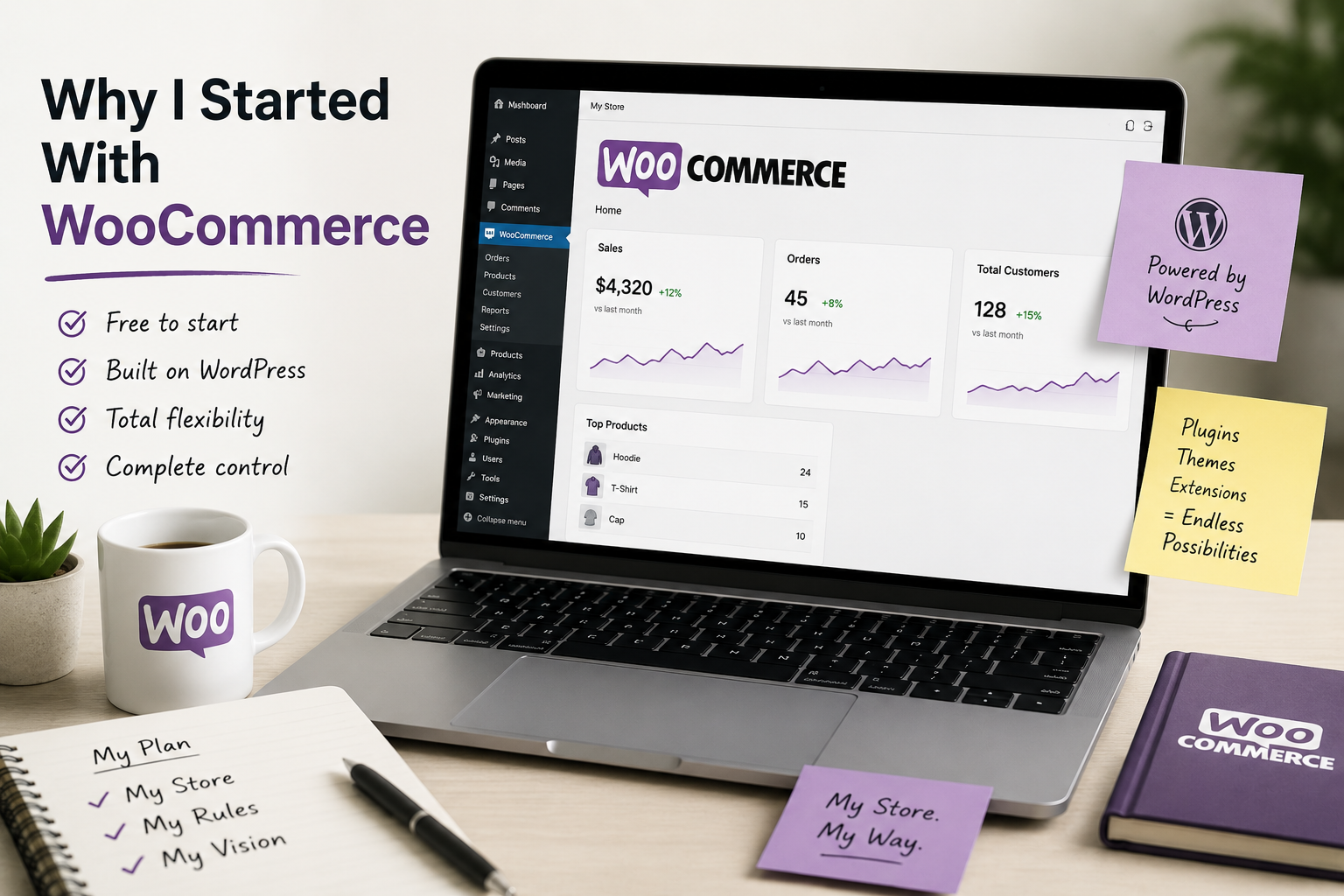
My first store was built on WordPress, so WooCommerce felt like the obvious move. It was free to install, it lived inside a platform I already understood, and I liked the idea of owning everything my hosting, my database, my code. Nobody could change the rules on me or increase my subscription and leave me with no choice but to pay.
In the beginning, that felt great. I could customize almost any part of the store. Product pages looked exactly the way I imagined them. I found plugins for abandoned cart recovery, shipping rate calculators, invoice generation, and more. The control was genuinely exciting.
But then the problems started arriving, and they never really stopped.
A payment plugin update broke my checkout page with zero warning customers couldn’t complete purchases and I didn’t find out until someone messaged me. A theme update quietly reshuffled my product layout. During a flash sale campaign, my shared hosting plan slowed to a crawl right when traffic was highest. Each of these issues was fixable. But each one also cost me hours — hours I should have been spending on marketing, on products, on customers.
That’s the lesson WooCommerce taught me: when you choose it, you’re not just choosing an ecommerce platform. You’re signing up to manage a small web infrastructure business on the side, whether you intended to or not.
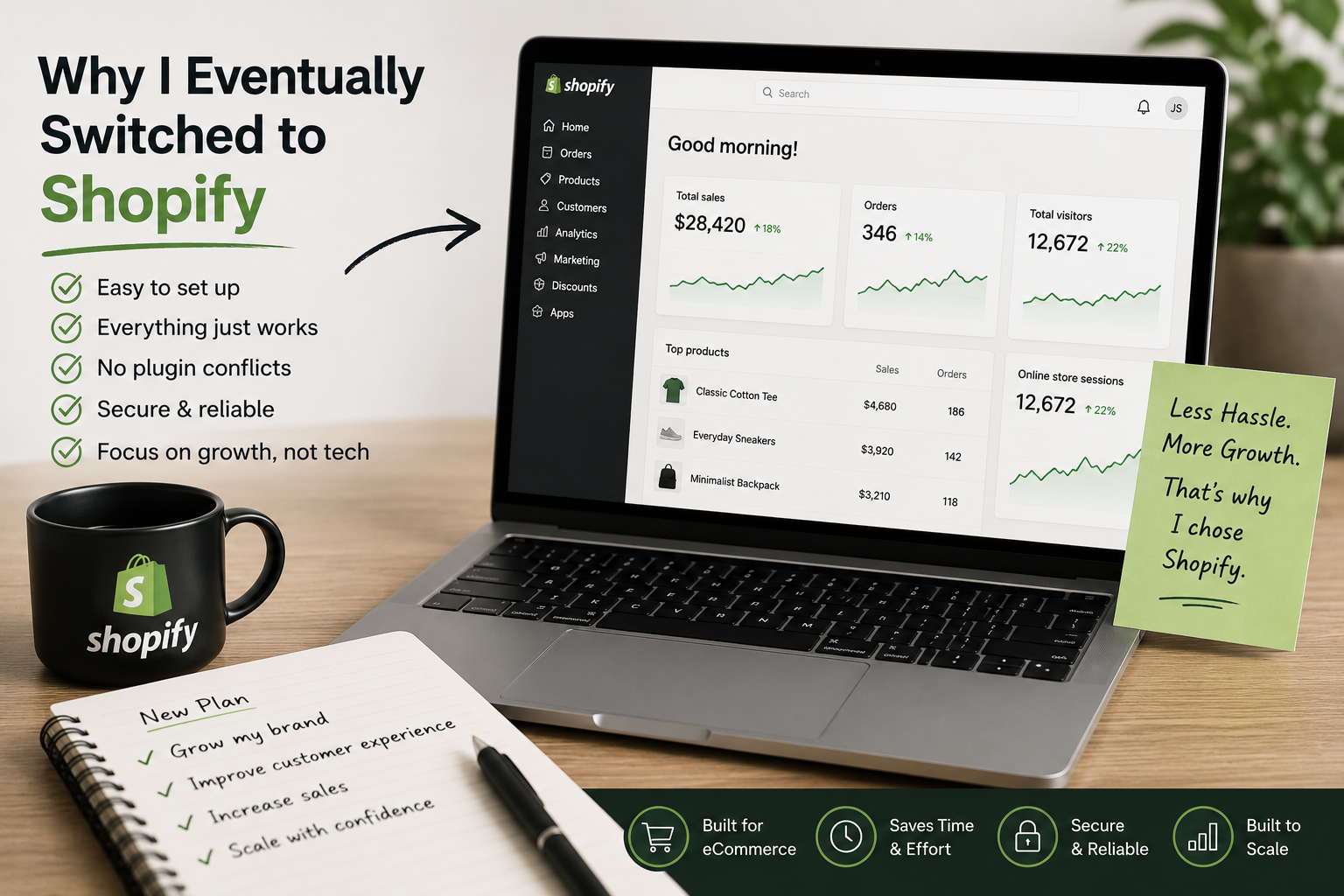
A few years later, I launched another store. This time on Shopify. I went in slightly skeptical I’d heard it was “easier” and I half expected that to mean it was watered down or limited.
The experience genuinely surprised me. Within one day, I had products uploaded, a payment processor connected, and the store ready to take orders. I didn’t configure a single hosting setting. I didn’t install a security plugin. I didn’t set up backups or worry about server performance during traffic spikes.
Everything was just handled.
What I didn’t expect was how much that would change the way I spent my time. With WooCommerce, I’d end evenings troubleshooting something that broke. With Shopify, I was using that same time to write better product descriptions, test different ad creatives, and actually talk to customers. That shift in focus had a direct impact on results.
Yes, Shopify is less flexible than WooCommerce in certain areas. That’s a real and fair point. But for most store owners, the freedom they actually need most is time — and Shopify gives you significantly more of it
Almost every comparison article focuses on pricing. I understand why it’s easy to put in a table. But in my experience, it’s the wrong thing to focus on, especially early on.
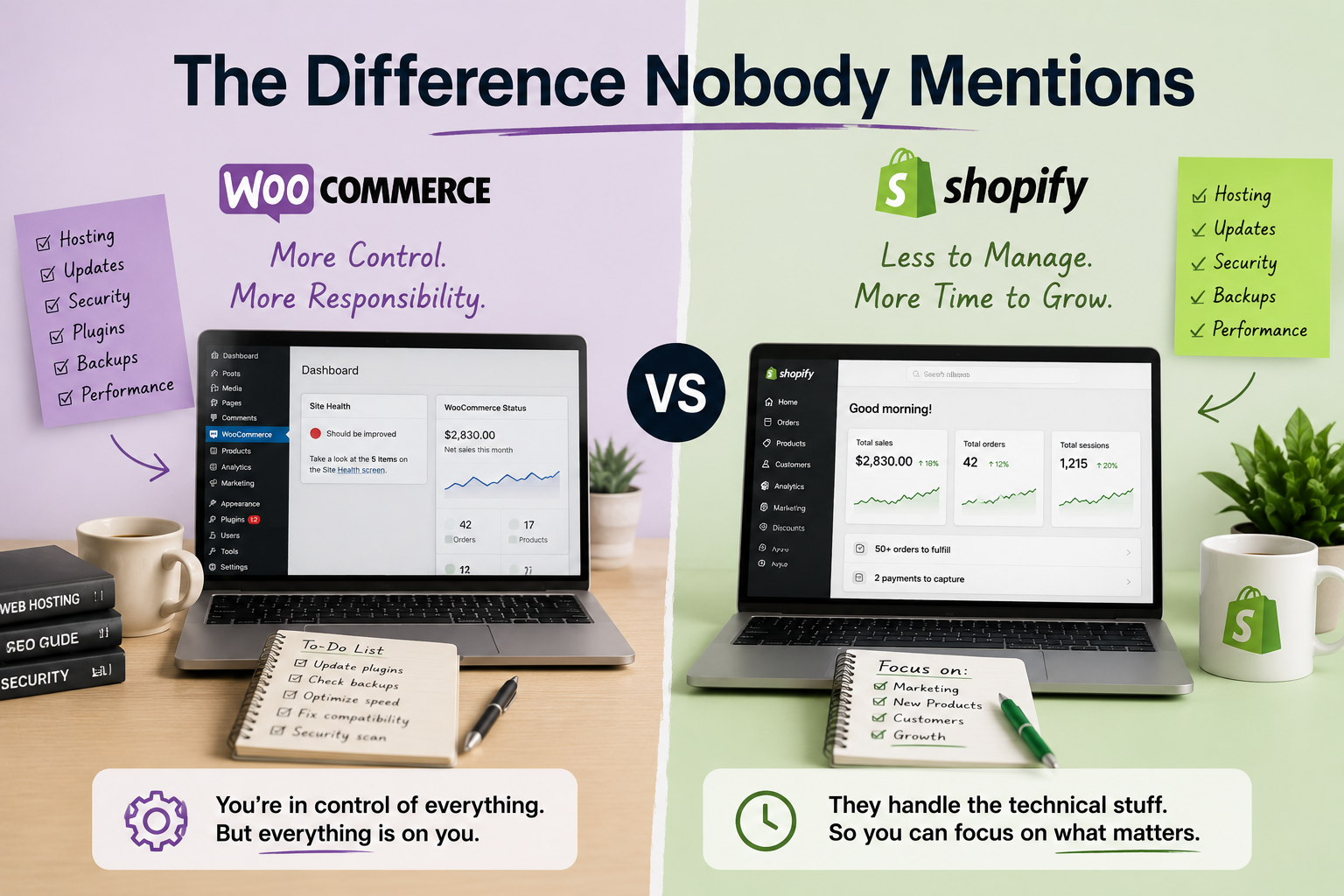
The real difference between these two platforms is how much of your attention they consume.
WooCommerce is a high-maintenance platform. It rewards you with control, but it asks for constant attention in return plugin updates, hosting renewals, security patches, compatibility checks every time WordPress releases a core update. If you enjoy that kind of technical work, it can feel empowering. If you don’t, it will slowly drain you.
Shopify is a low-maintenance platform. It handles the infrastructure so quietly that you almost forget it’s there. Updates happen automatically. Security is managed at the platform level. You show up to run your business, not your server.
Over time, that difference in daily attention compounds. It either builds up into a pile of distraction or frees you up to compound your focus on growth. That, more than any pricing comparison, is what I wish I had understood from the start.
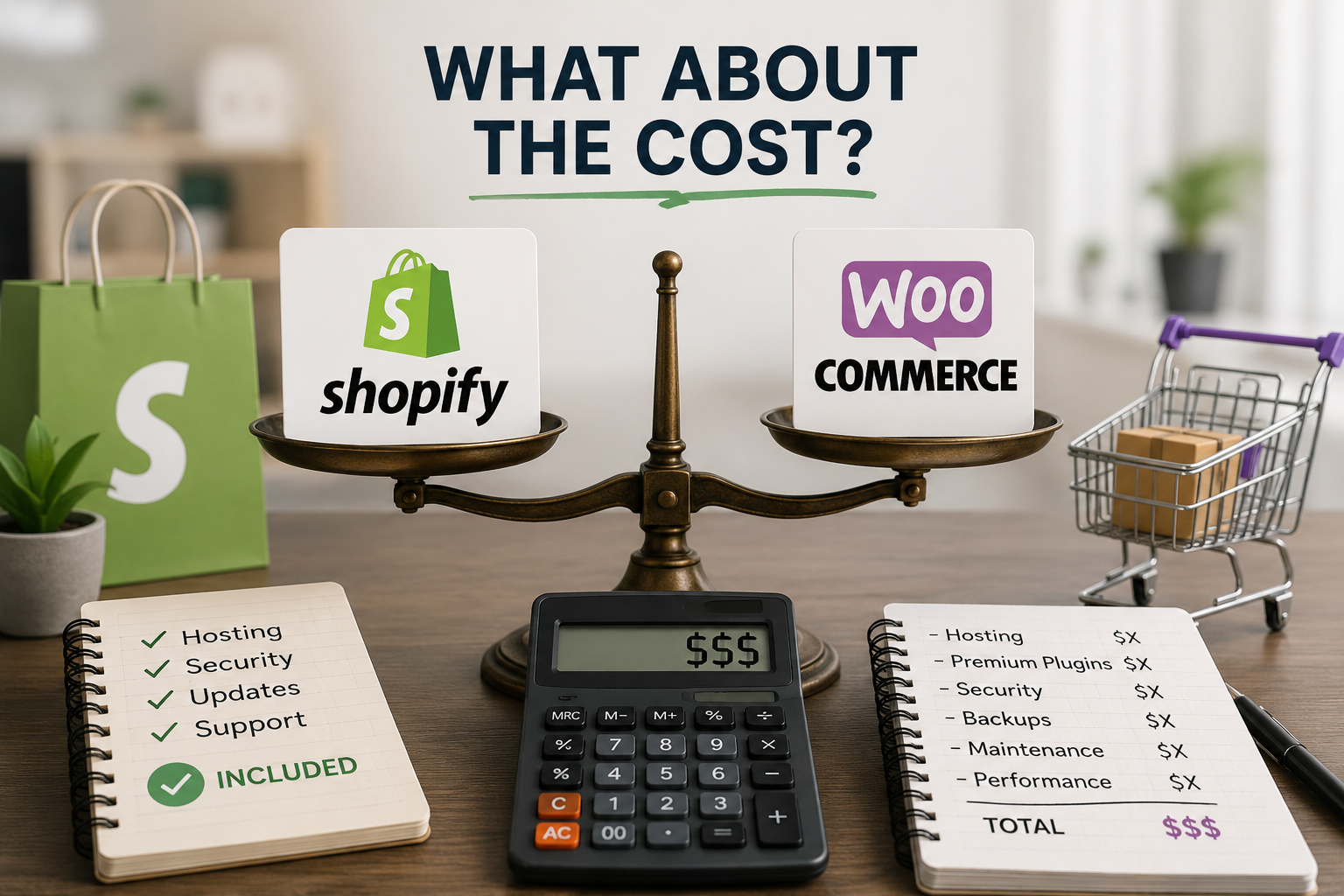
Let me be honest about the numbers, because I’ve seen this comparison done dishonestly a lot.
WooCommerce software is free. That part is true. But a real, functioning store on WooCommerce needs more than just the free plugin. Here’s what I’ve actually spent money on across different WooCommerce builds:
Shopify works on a subscription model plans start at around $29 to $39 per month and include hosting, security, SSL, and automatic updates. You pay more upfront per month, but you’re not assembling those pieces separately and hoping they all work together.
My honest take: if you’re technically skilled and enjoy managing your own setup, WooCommerce can absolutely cost less over time. If you’re not, the “free” platform often ends up costing more — either in money spent on developers or in time spent fixing things yourself.
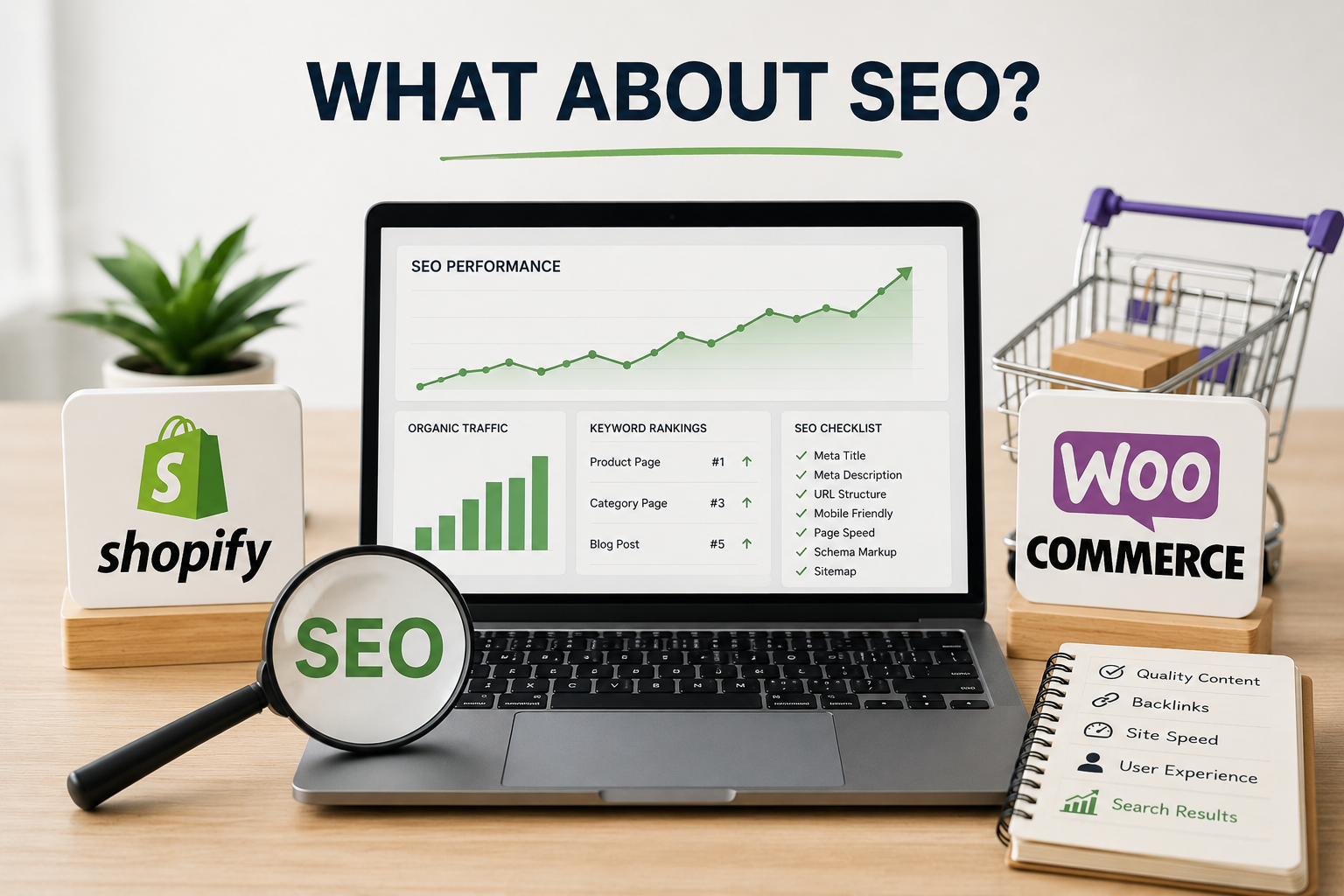
I’ve ranked product pages on both platforms and I’ll say this plainly: neither platform automatically wins at SEO. I’ve seen WooCommerce stores dominate search results and Shopify stores doing the same thing.
What actually drives rankings is content quality, page speed, keyword strategy, and the authority your domain builds over time. WooCommerce gives you slightly more direct control over technical SEO settings if you know what you’re doing. Shopify simplifies most of that and handles the basics automatically.
For the vast majority of store owners, SEO success comes down to strategy and consistency — not platform choice. If you’re writing genuinely useful product pages and building real links, either platform will support you just fine.
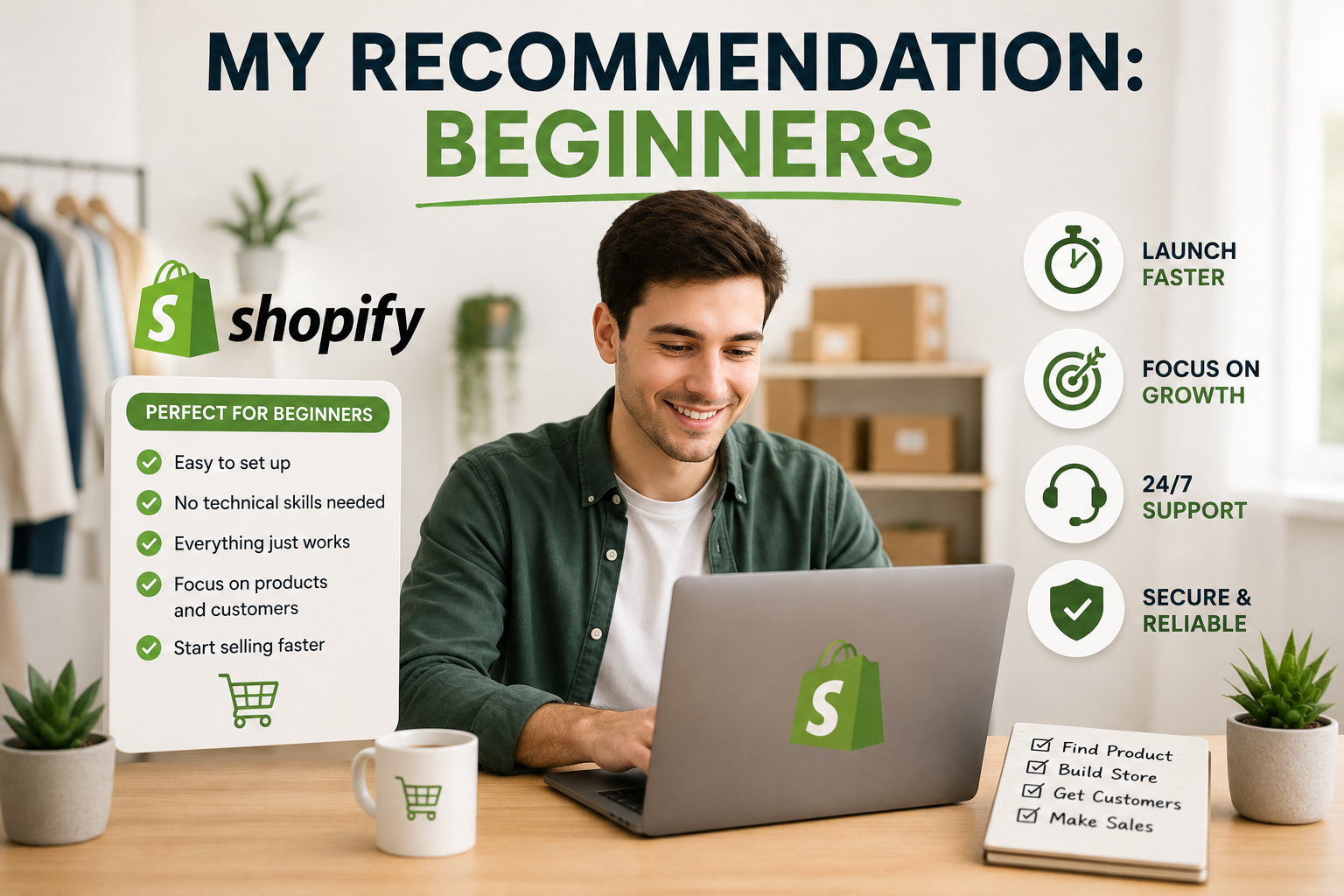
If I’m talking to someone launching their first ecommerce store, my answer is always Shopify.
Not because it’s flawless it isn’t. But because the fastest path to learning ecommerce is to actually sell things, get real feedback, and adjust. Shopify gets you to that point faster than any other platform I’ve used.
Most new stores don’t fail because they picked the wrong platform. They fail because they never found enough customers, never validated their product, or burned out before things clicked. Shopify keeps the technical distractions out of the way so you can focus entirely on solving those problems which are the ones that actually matter.
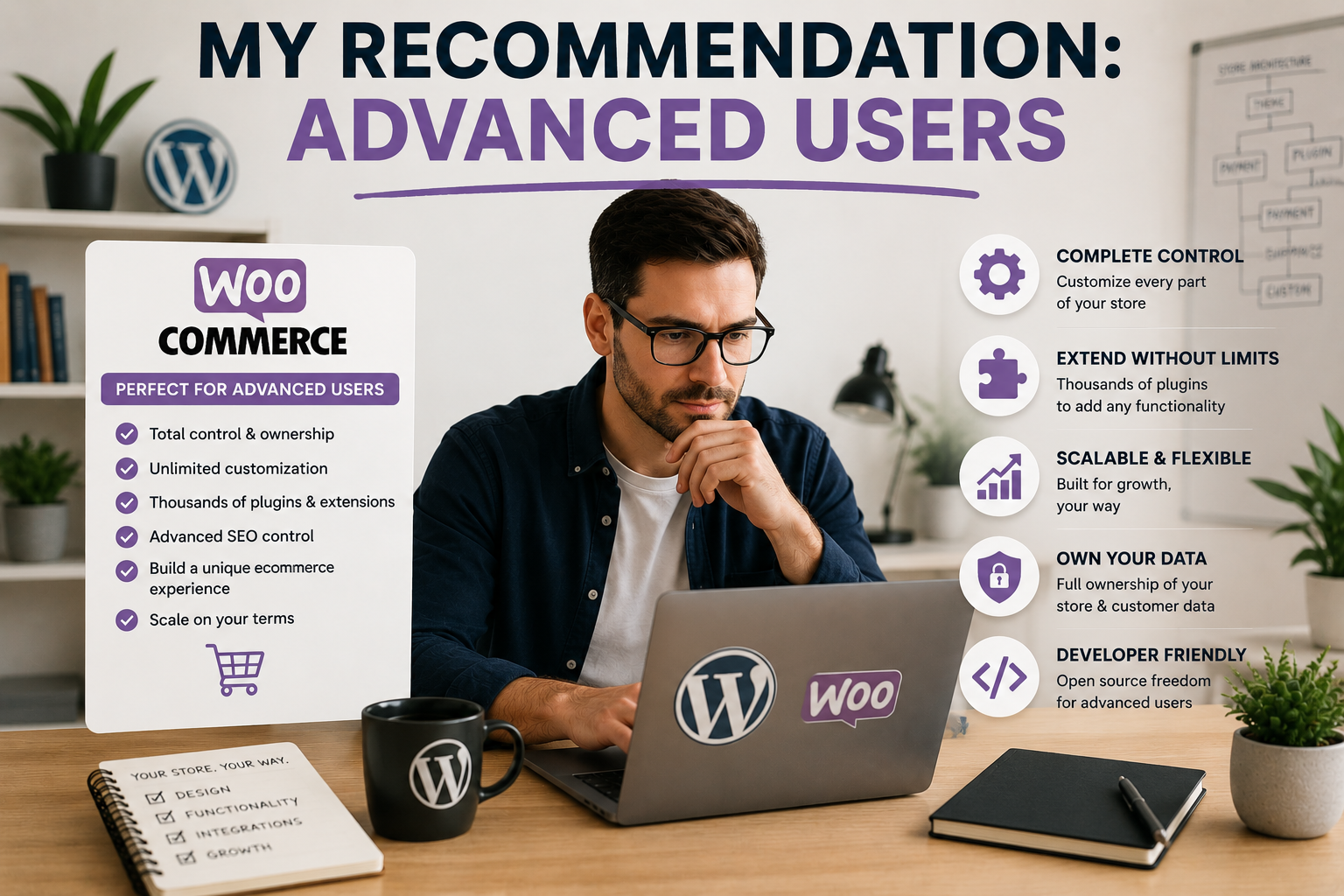
If I’m talking to someone who already lives in WordPress, needs deep customization, or is building for a client with very specific technical requirements I recommend WooCommerce without hesitation.
The level of control it offers is genuinely hard to match. You own your database, you can modify anything in the codebase, and you’re never locked into one company’s ecosystem. For the right person in the right situation, that freedom is worth every bit of extra work it requires.
Just go in knowing what you’re signing up for. The freedom is real and so is the responsibility that comes with it.
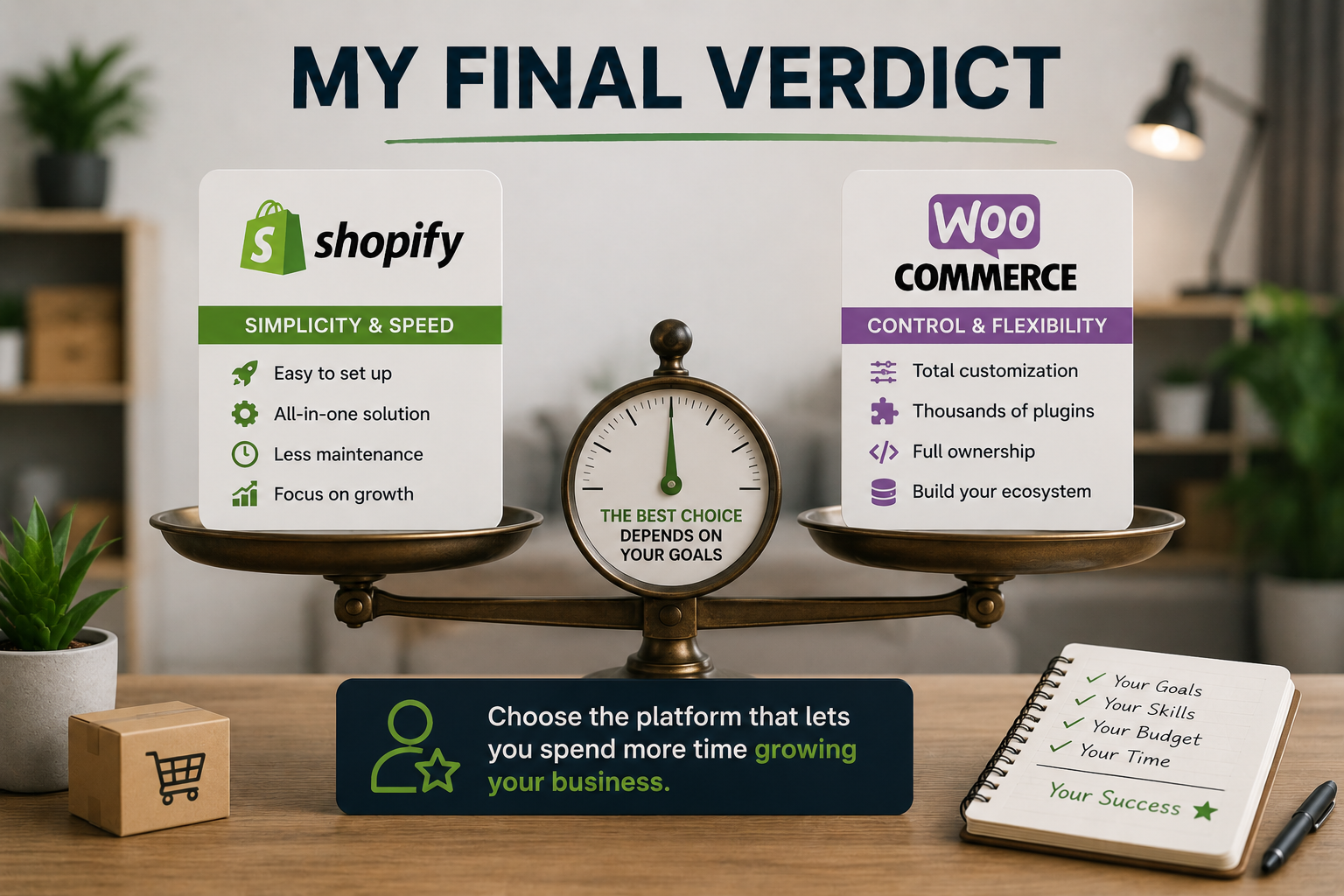
After all this time using both platforms, I’ve stopped looking for a universal winner. There isn’t one and anyone who tells you otherwise is either selling something or hasn’t used both properly.
I choose Shopify when I want to launch fast, keep maintenance low, and stay focused on growing the business. I choose WooCommerce when a project demands a level of customization that Shopify simply can’t deliver, and when the person running it is prepared for what that entails.
The best platform for you isn’t the one with the most features or the cheapest price tag. It’s the one that fits how you actually work, matches where you are in your business journey right now, and ultimately gets out of your way so you can focus on the thing that matters most building something people genuinely want to buy from.
Whatever you choose, commit to it fully. The platform isn’t going to make or break you. Your effort will
Have you built a store on Shopify or WooCommerce? I’d love to hear what your experience was like drop it in the comments below.