
Theuzora
Your Partner in Digital Growth
Theuzora
Your Partner in Digital Growth
Your Partner in Digital Growth
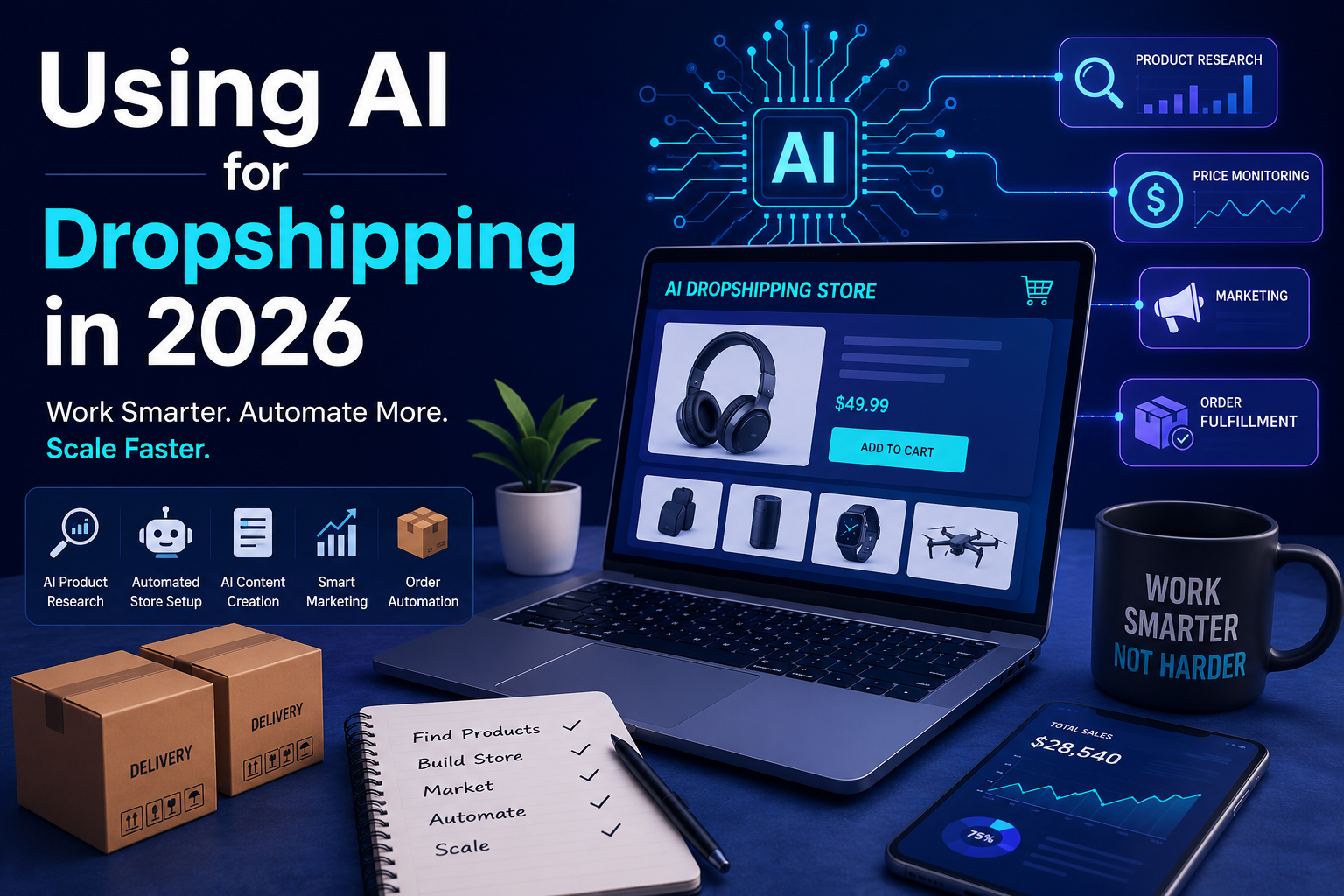
When I first started dropshipping, everything felt slow and overwhelming.
Product research took hours. Writing listings felt like a chore. Running ads was mostly guesswork. I was putting in a lot of effort and seeing very average results.
Then I started using AI tools and my entire workflow changed.
Not because AI did everything for me. But because it removed the slow, repetitive parts so I could focus on decisions that actually mattered.
In 2026, AI is not a bonus feature for dropshippers. It is part of how serious stores are built and managed. Here is my honest experience using it what helped, what did not, and what I still handle myself.
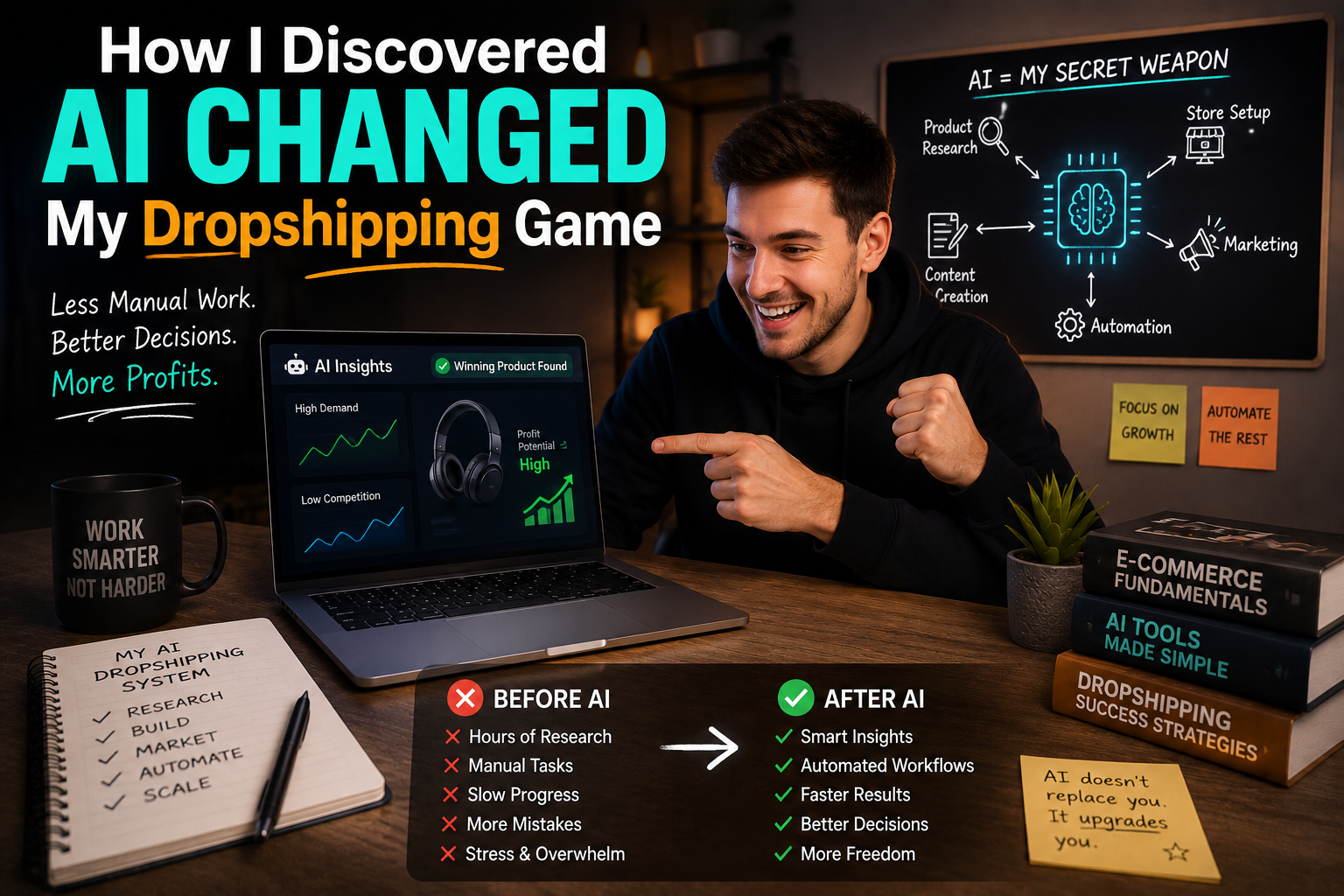
I was suspicious at first. Most AI technologies appeared to be clever shortcuts that generated general outputs.
However, when I tested one for product research, something clicked immediately. Rather of spending hours scrolling through AliExpress or random Facebook advertising, AI extracted meaningful trend signals, demand patterns, and competition pricing data in minutes.
I was saving hours every day.
That was when I stopped treating AI as an experiment and began designing my workflow around it.
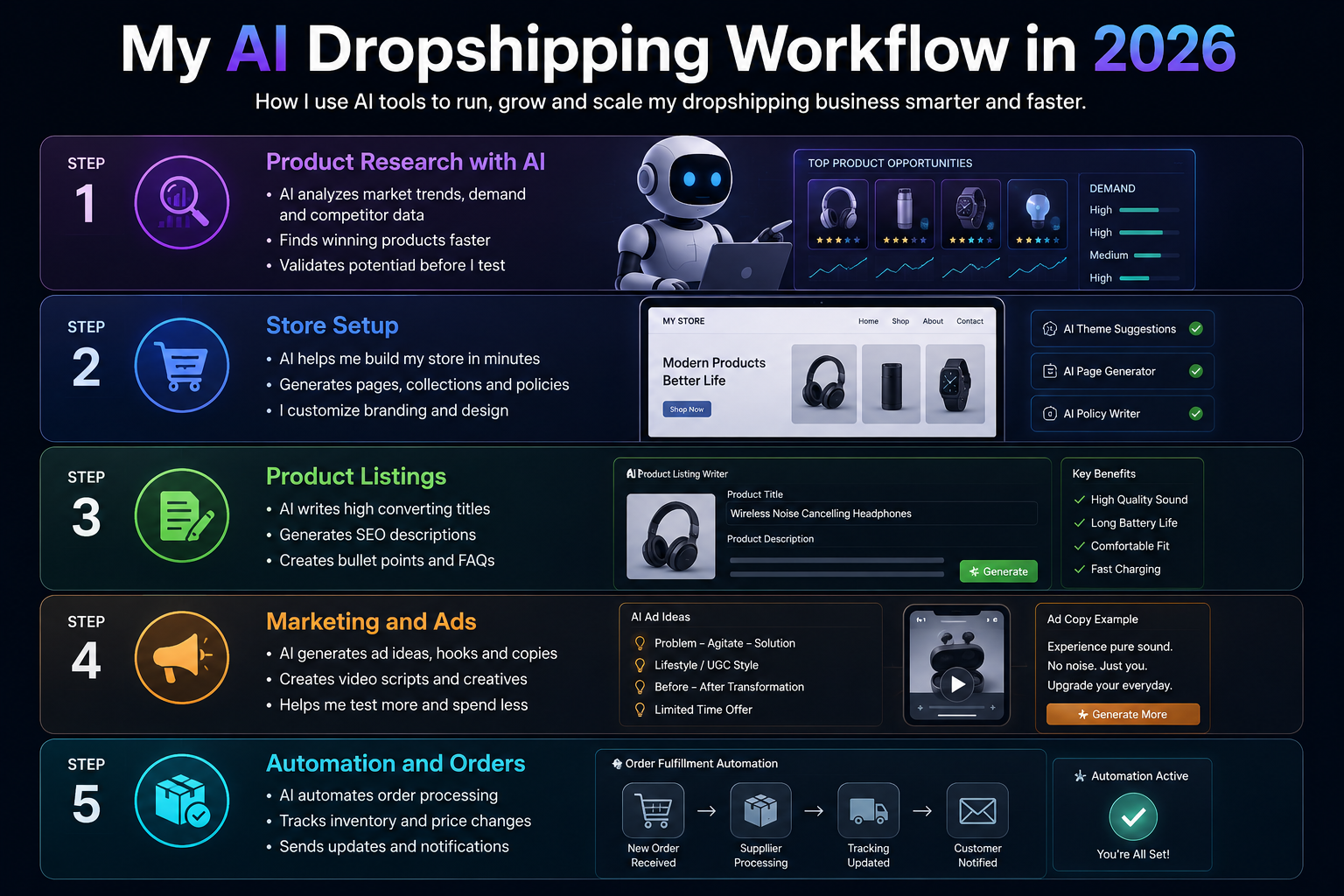
I do not search randomly anymore.
AI tools now suggest trending products, rising niches, and seasonal opportunities based on real store data not guesses. Platforms like Dropship.io and Sell The Trend track live sales signals across thousands of Shopify stores, so the suggestions are grounded in actual demand.
But I never skip the manual check. After AI shortlists products, I personally verify:
Earlier, building a Shopify store took me days choosing themes, setting up collections, organizing structure.
Now AI helps me move through the setup much faster. It suggests store layouts, generates product collection structures, and handles the basic groundwork in a fraction of the time.
That said, I still handle branding myself. AI does not understand my style, my target audience, or the feeling I want the store to create. That part stays human.
This is where AI saves me the most time and where most dropshippers use it wrong.
AI generates product titles, SEO descriptions, and feature bullet points quickly. The raw output is decent. But I always rewrite parts of it to match my tone and make it sound like a real person wrote it not a template.
The listings that convert well are the ones that feel human. AI gets you 70% there. The last 30% is on you
AI is helpful for generating ad hooks, video script ideas, and social media captions. It speeds up the brainstorming phase considerably.
But winning ads still come from real testing. AI gives you starting points. Real campaigns tell you what actually resonates with your audience. I use AI ideas as a first draft, not a final answer.
This is the most powerful part of the AI dropshipping workflow.
Automation tools now handle:
What used to require constant checking and manual updates now runs in the background. This alone has saved me significant time every week and reduced costly mistakes
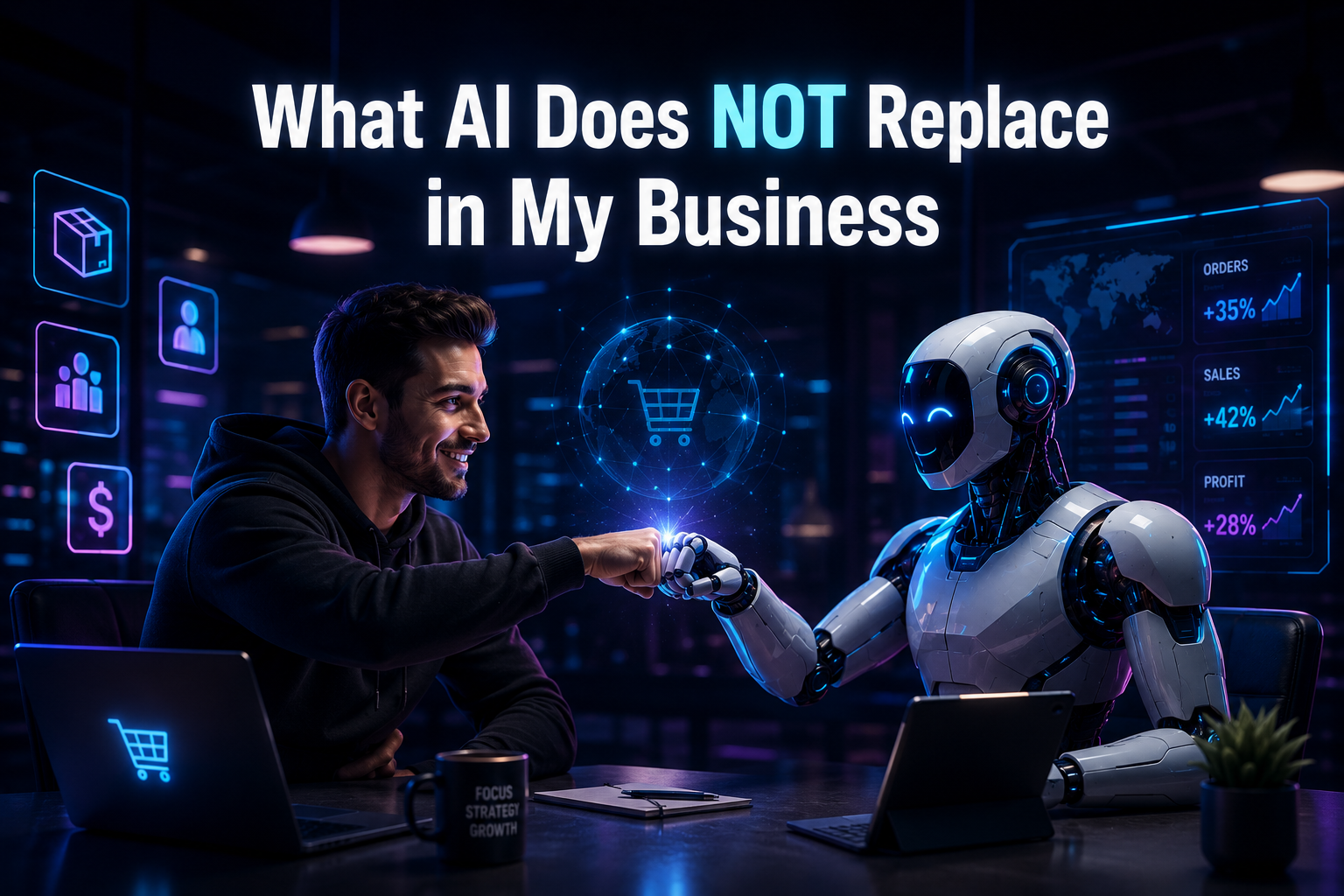
Even with all the tools available in 2026, there are things AI simply cannot do well:
These decisions still need human judgment. And honestly, these are the decisions that determine whether a store succeeds or not
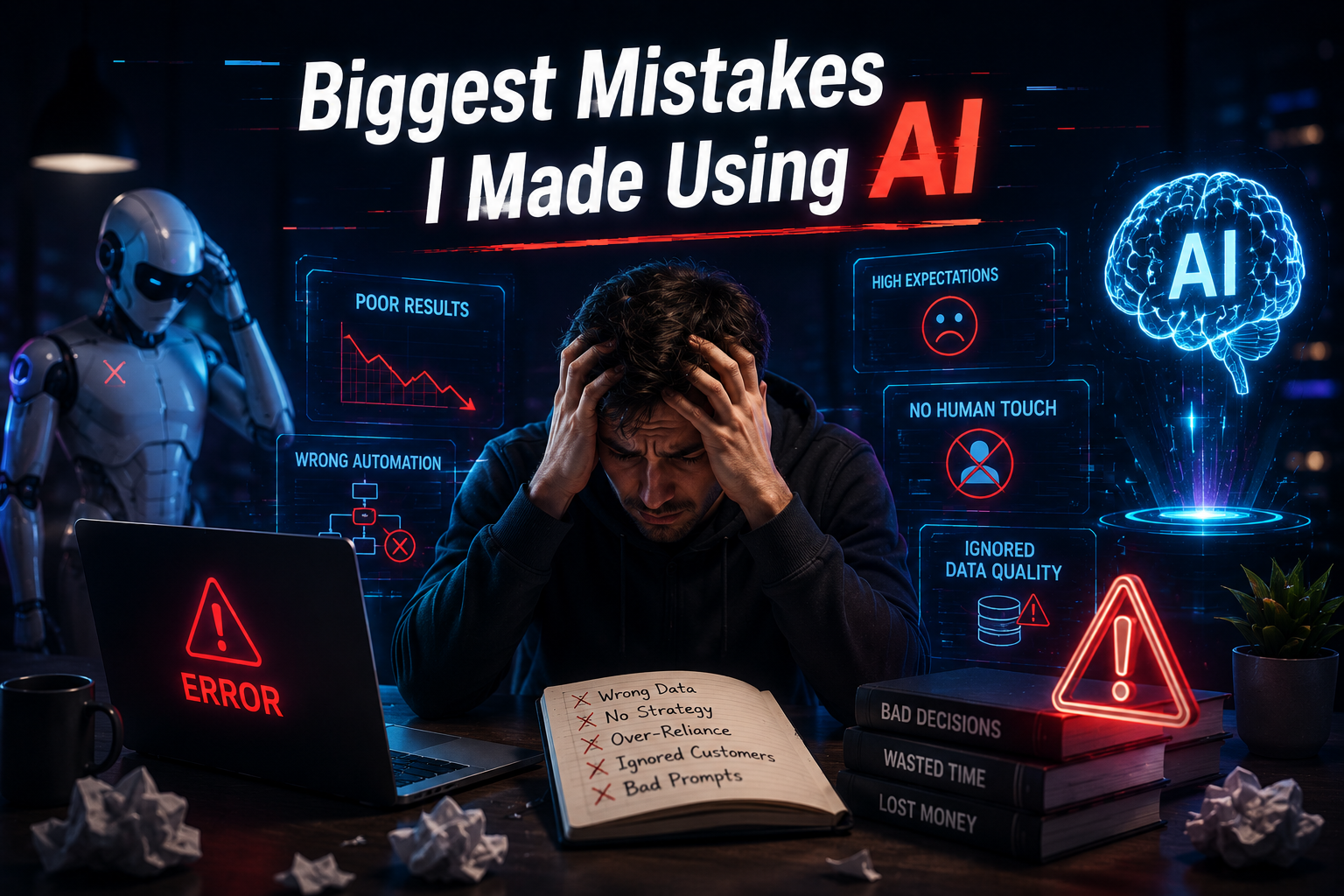
When I first started relying on AI tools, I made several costly mistakes:
Trusting product suggestions blindly. AI flagged a product as trending and I ordered inventory before checking the supplier. The shipping times were terrible and the product quality did not match the listing photos.
Ignoring supplier verification. AI cannot assess whether a supplier is reliable. That requires actual communication and sample orders.
Publishing auto-generated listings without editing. Generic AI content performs poorly. Customers can tell when a description was written by a machine, and it damages trust.
Skipping real-world testing. I assumed AI-validated products would sell. They still needed ad testing to confirm actual demand.
AI is powerful but it is not a substitute for doing the work properly
After testing different approaches, the formula that consistently works is simple:
This combination is what helps me scale without burning through budget on unvalidated ideas
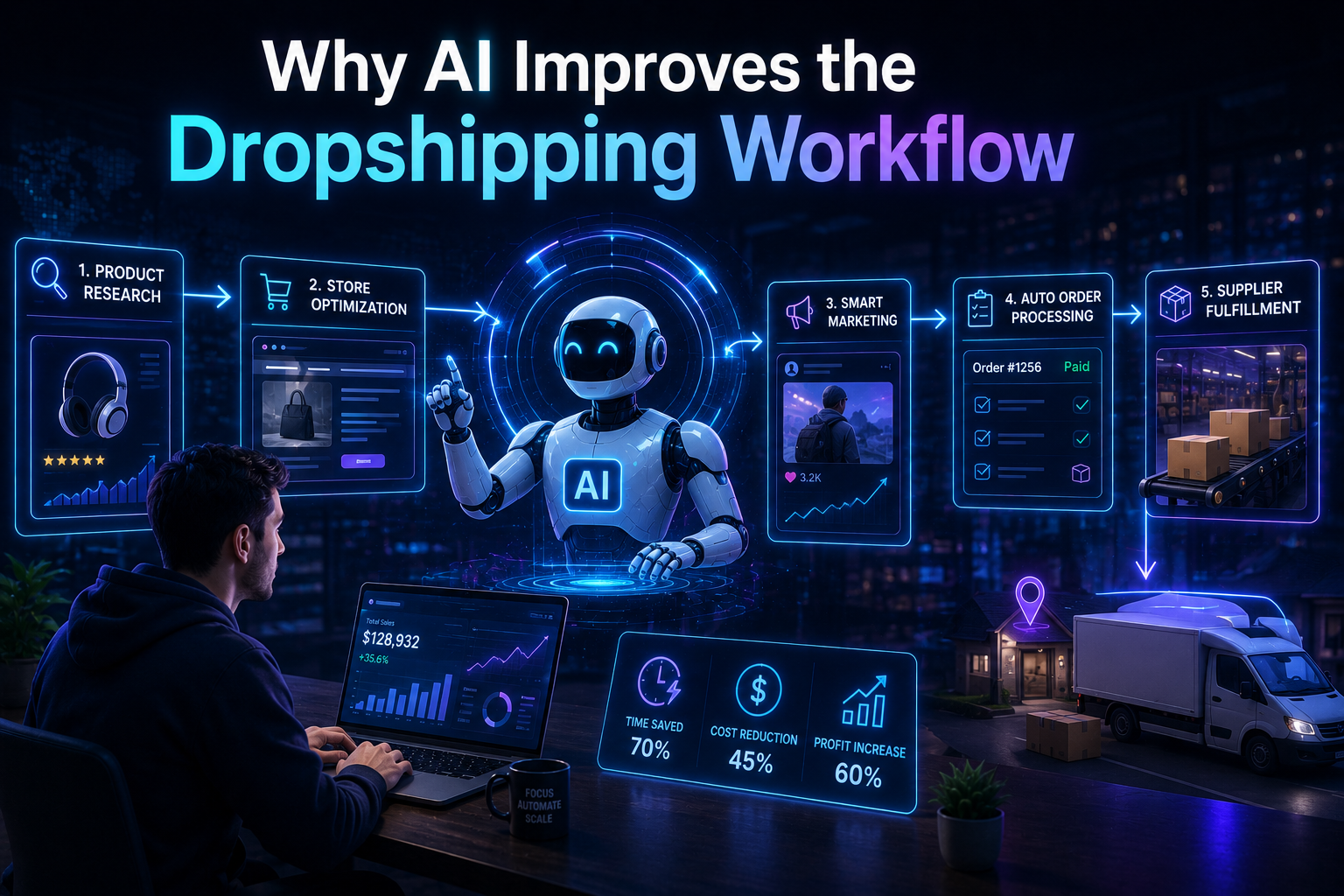
For anyone still on the fence about using AI tools, here is what the difference looks like in practice:
Faster Product Discovery What used to take hours of manual scrolling now takes minutes with AI trend tools pulling live market data.
Reduced Manual Work Listing creation, price monitoring, and order processing are largely automated, freeing up time for higher-value decisions.
Better Decision Making AI surfaces data patterns that are easy to miss manually demand signals, competitor pricing shifts, seasonal trends.
Improved Scalability Running multiple stores or testing multiple products simultaneously becomes realistic when AI handles the operational load.
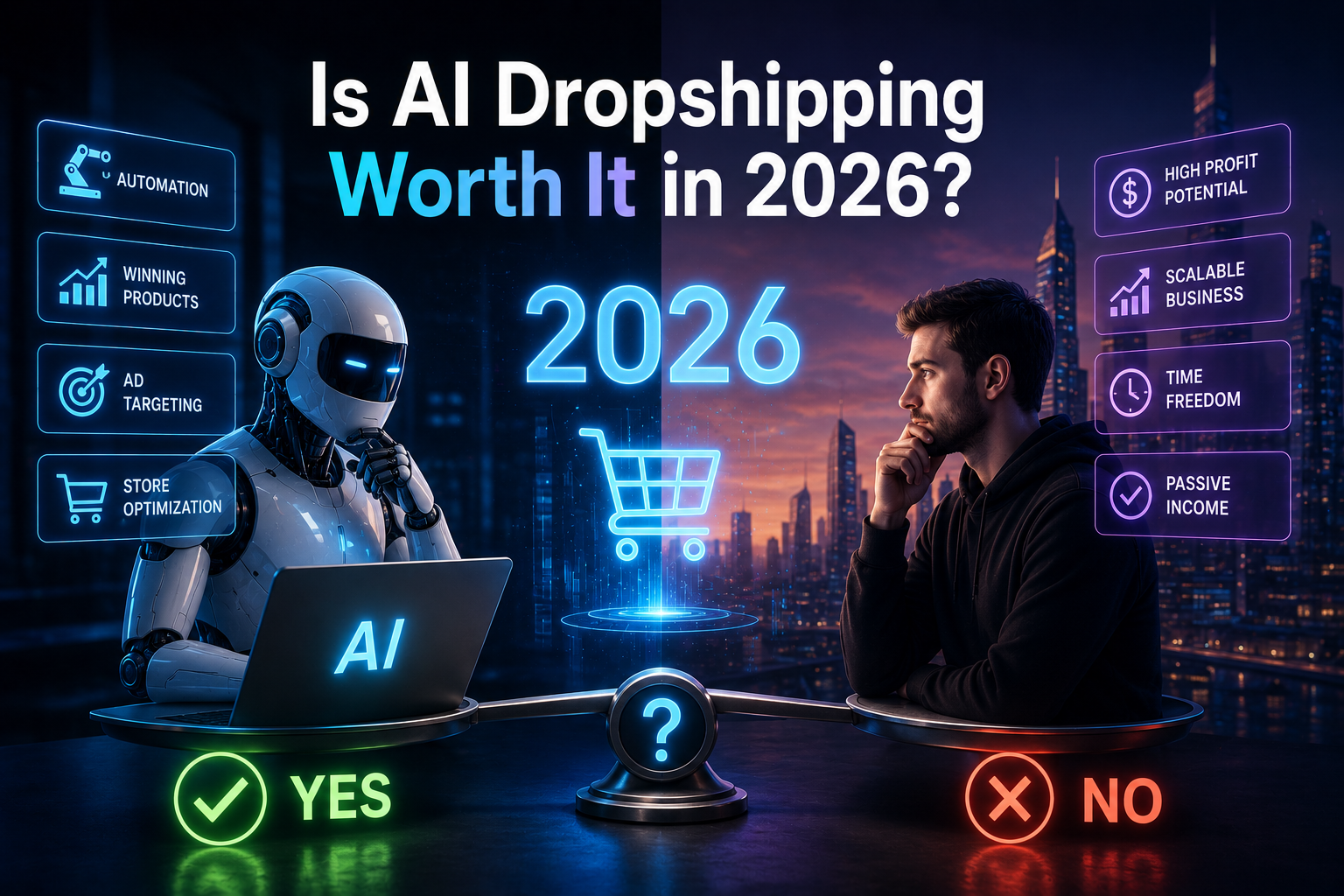
Yes but only if you use it correctly.
One independent analysis of nearly 6,000 dropshipping products found that AI was strong at identifying functional, problem solving products but scored zero products perfectly on viral or wow-factor appeal the quality most linked to breakout success. AI is a powerful filter, not a guarantee.
What AI does is remove the slow, repetitive parts of dropshipping so you can spend your energy on what actually moves the needle picking the right products, building a brand, and creating experiences that convert.
For me personally, AI has made dropshipping faster, easier to manage, and more scalable. But the results still come from the decisions I make not the tools I use.
“This blog reflects my personal experience running dropshipping stores in 2026. Results vary based on niche, product selection, and execution.”