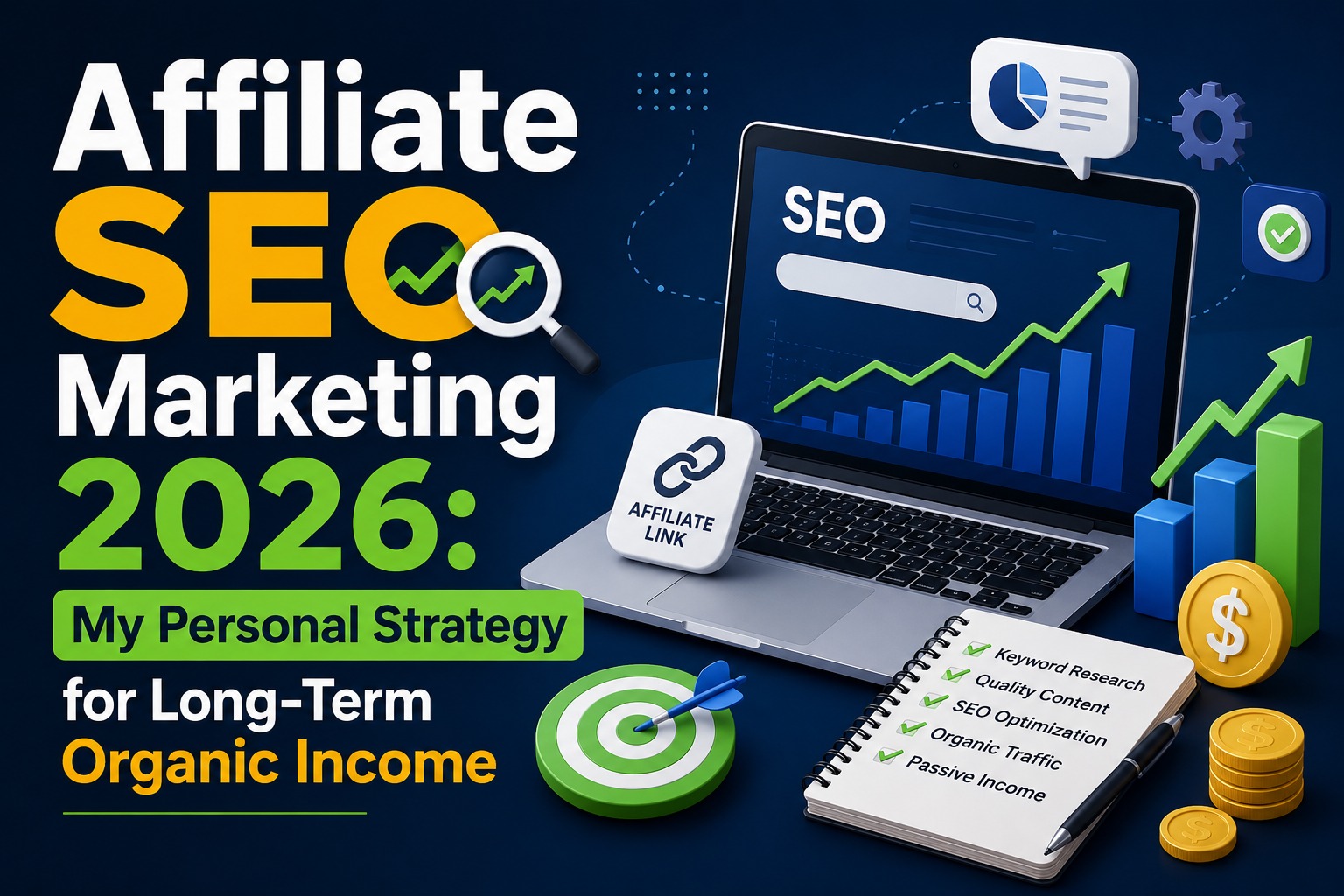
Affiliate SEO Marketing 2026: My Personal Strategy for Long-Term Organic Income

Affiliate SEO Marketing 2026: My Personal Strategy for Long-Term Organic Income
In 2026, I see affiliate SEO marketing as one of the most powerful ways to build a stable online income. I don’t rely only on ads or social media

I focus on Google search traffic because it gives me long-term, predictable results.

When I started affiliate marketing, I learned that success doesn’t come from just placing links. It comes from building trust, solving problems, and ranking content that matches real user intent.

Why I Focus on SEO for Affiliate Marketing

I prefer SEO because:

  1. It brings free and consistent traffic
  2. It builds long-term digital assets
  3. It attracts users who are already ready to buy

Unlike paid ads, SEO keeps working even when I stop actively promoting content.

My Approach to Affiliate SEO in 2026

Let me be straight with you.

I spent months publishing affiliate content that got zero traffic. Not “low traffic” — zero. I was writing product reviews, dropping affiliate links, and telling myself the results would come. They didn’t.

Everything changed when I stopped chasing shortcuts and built a real strategy around SEO affiliate marketing. This post breaks down exactly what that strategy looks like in 2026 — no fluff, just what works.

What I Stopped Doing First

Before the strategy, let’s clear something up. A lot of affiliate bloggers are still making these mistakes:

  1. Writing thin reviews of products they’ve never used
  2. Stuffing keywords into every paragraph hoping to rank
  3. Publishing random posts with zero connection between them

Google’s algorithms in 2026 are smart enough to filter all of this out. Sites without genuine first-hand expertise are being penalized at scale. The sooner you drop these habits, the faster things improve.

Number - 1:

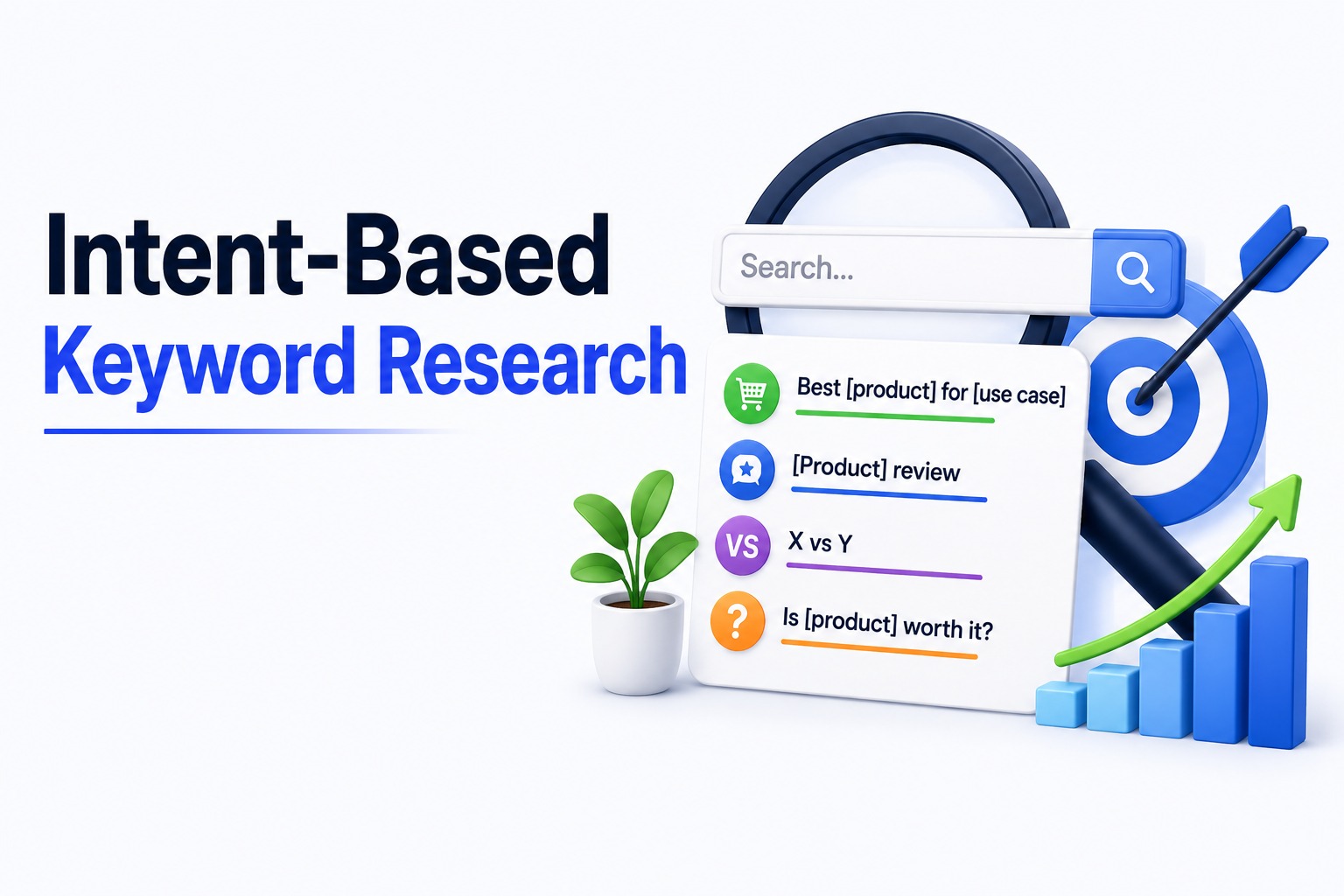
Intent-Based Keyword Research
Not all keywords are equal. The ones that convert in affiliate SEO marketing are the ones where the reader is already in decision mode.

I focus on four keyword types:

  1. “Best [product] for [use case]” — comparison mindset, ready to buy
  2. “[Product] review” — seeking honest opinion before purchasing
  3. “X vs Y” — narrowed it down, needs a final push
  4. “Is [product] worth it?” — high intent, low competition in most niches

I also target long-tail keywords heavily. “Best CRM for freelancers under $30” gets fewer searches than “best CRM” — but the person searching it is far closer to clicking your affiliate link. Less competition, higher conversion. That’s where beginners can actually win.

Number - 2:

Write For Real People, Not Algorithms
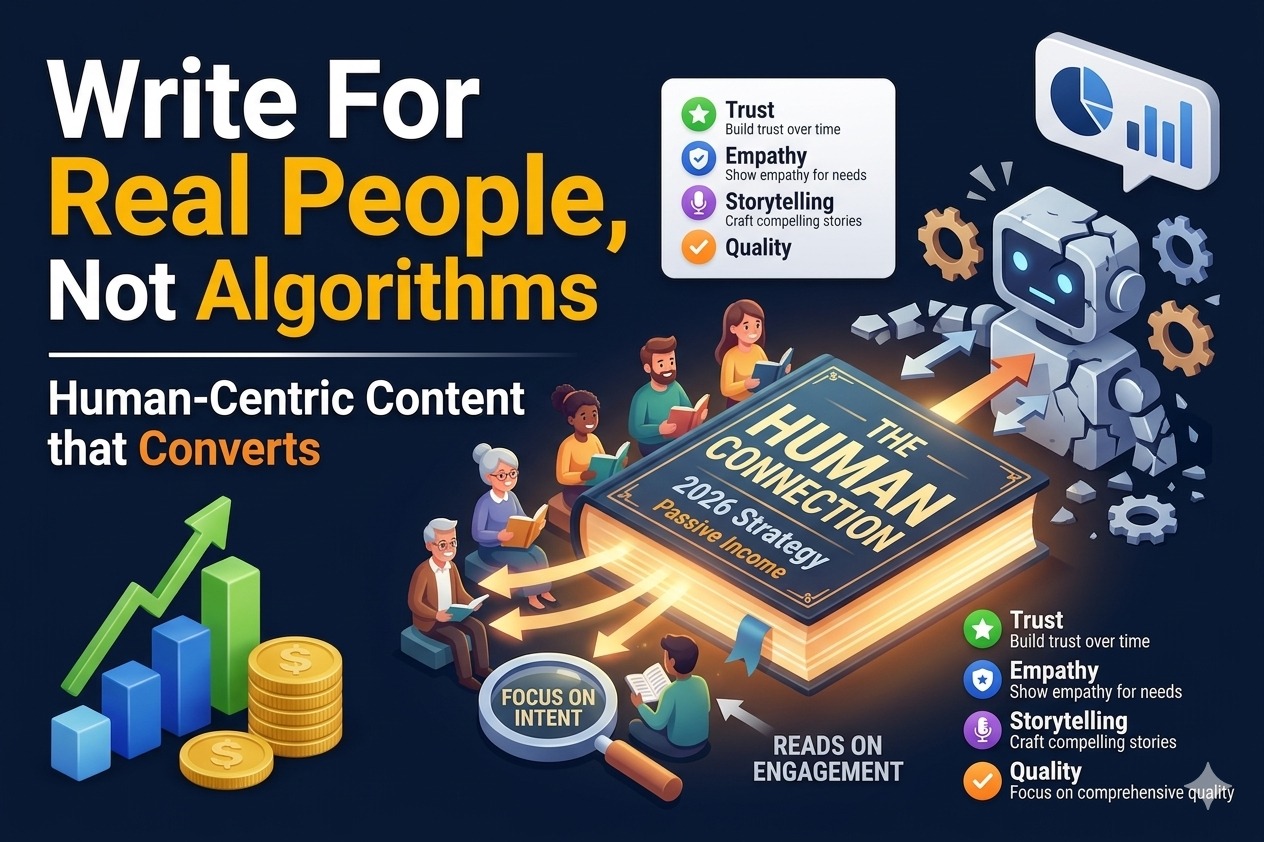
Here’s the mindset shift that changed my content completely: stop asking “how do I rank?” and start asking “how do I genuinely help?”

My content answers the questions people are actually thinking:

  1. Who is this product best for — and who should skip it?
  2. What are the real downsides nobody mentions?
  3. Is there a cheaper alternative that does the same job?

The affiliates winning in 2026 write like they’re giving advice to a friend – honest, direct, including the negatives. Readers can smell fake positivity instantly, and so can Google

Number - 3:

EEAT: Building Trust That Ranks
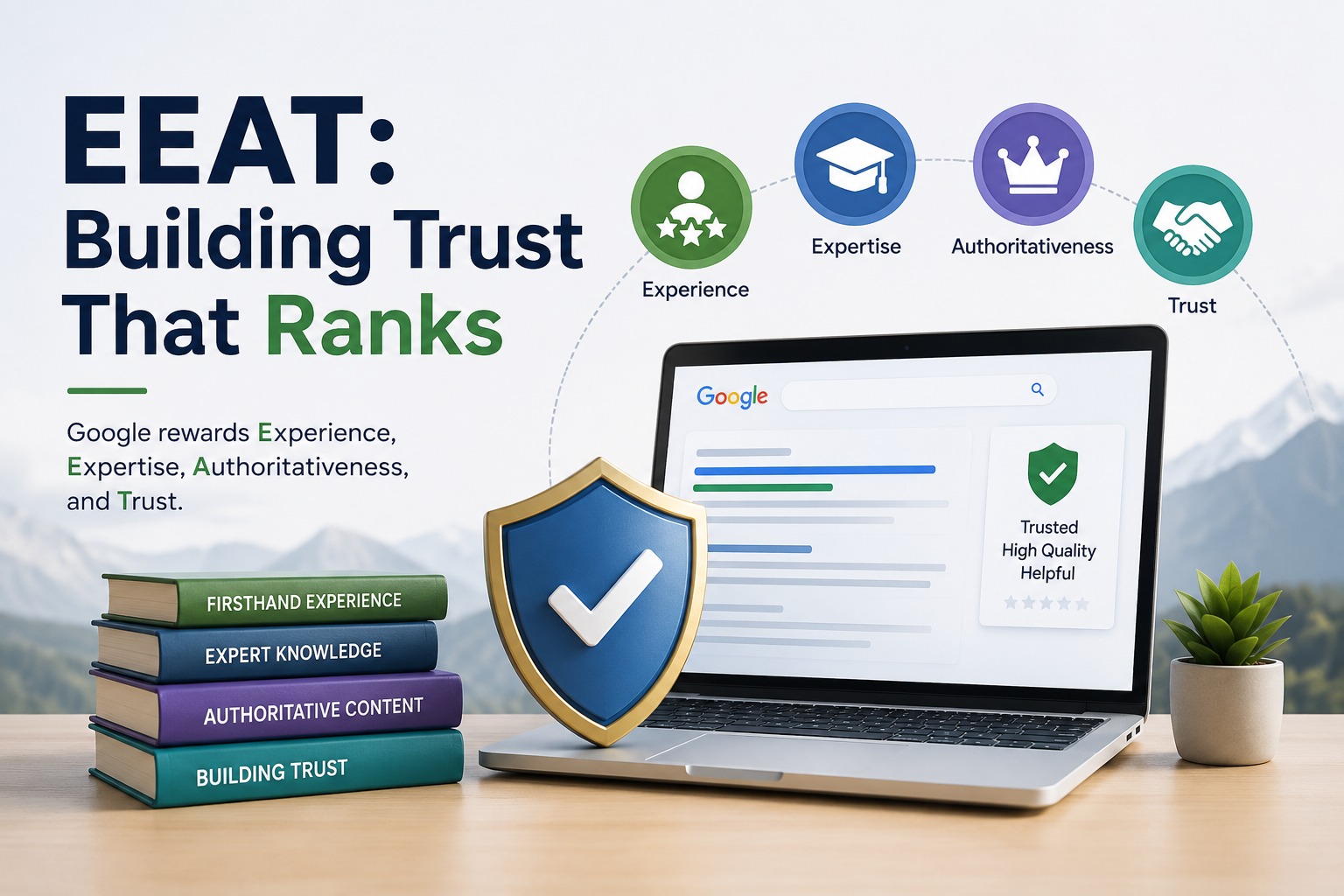
SEO and affiliate marketing in 2026 live and die by EEAT — Experience, Expertise, Authoritativeness, and Trustworthiness. Trustworthiness is the biggest one. It’s the conversion multiplier most people ignore.

Here’s how I build it practically:

  1. I write from real experience. If I’ve used a tool, I share specific things I noticed — not just a feature list.
  2. I share honest opinions, including what I don’t like about a product I’m promoting.
  3. I never copy or spin existing reviews.
  4. I update content regularly. Outdated pricing or wrong feature descriptions destroy credibility instantly.

One small thing that makes a real difference: add a proper author bio to every post explaining why you’re qualified to write about this topic. It signals credibility to both readers and Google.

Number - 4:

Content Cluster Strategy
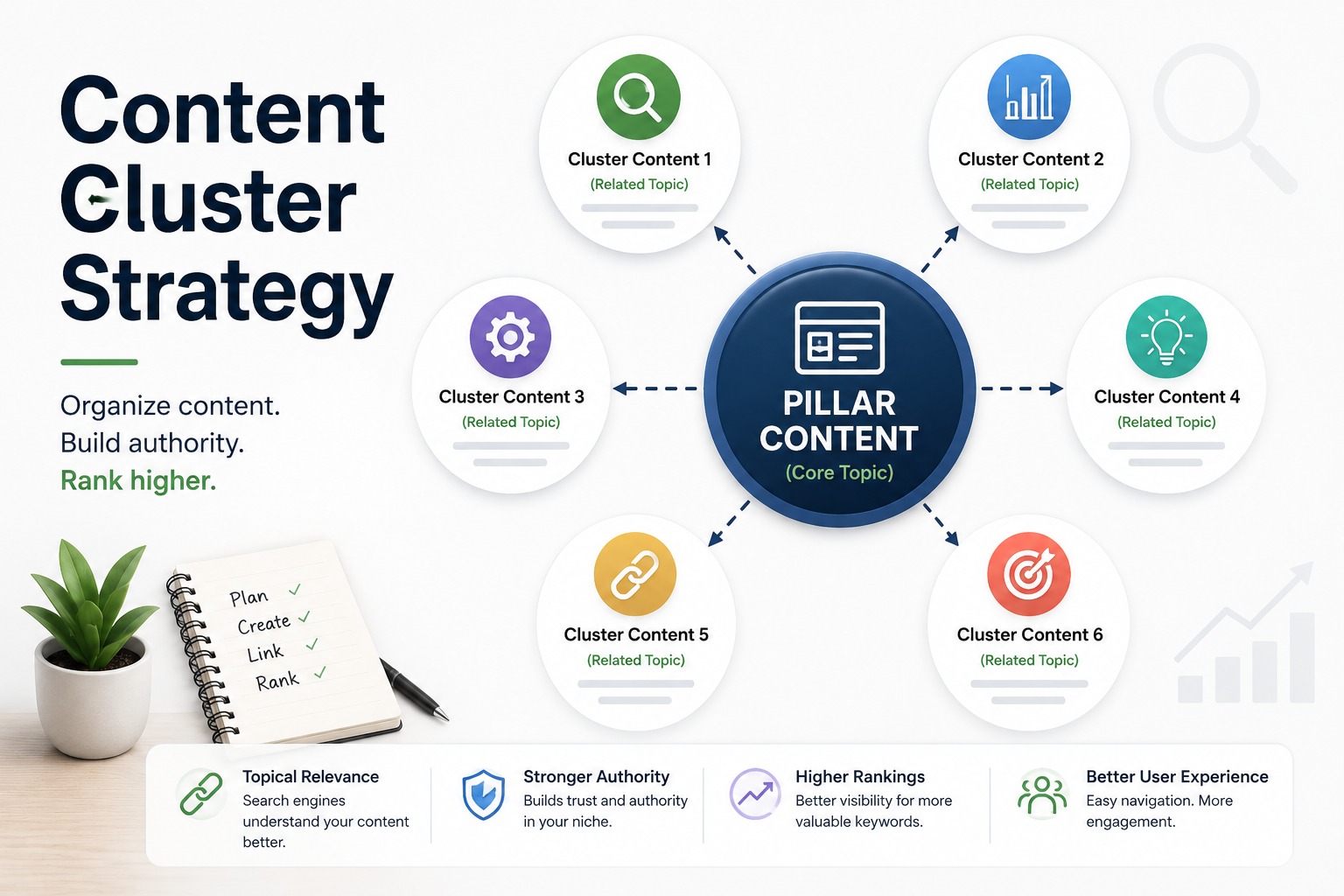
This is the single biggest change I made — and it drove the most growth.

Instead of publishing disconnected posts, I build content clusters:

Pillar Page — A comprehensive guide on the main topic. Example: “The Complete Guide to Email Marketing Tools in 2026.”

Supporting Posts — Focused articles that go deep on subtopics and link back to the pillar. Examples:

  1. “Mailchimp vs ConvertKit: Which Is Better for Beginners?”
  2. “Best Email Marketing Tools for eCommerce”

Strong Internal Linking — Every supporting post links to the pillar, and the pillar links back out. This creates a self-reinforcing network that tells Google your site is a genuine authority — not just a random blog with one article on the topic.

Search engines in 2026 reward depth over breadth. One focused niche with connected content beats ten scattered topics every single time.

Number - 5:

Conversion-Focused Content
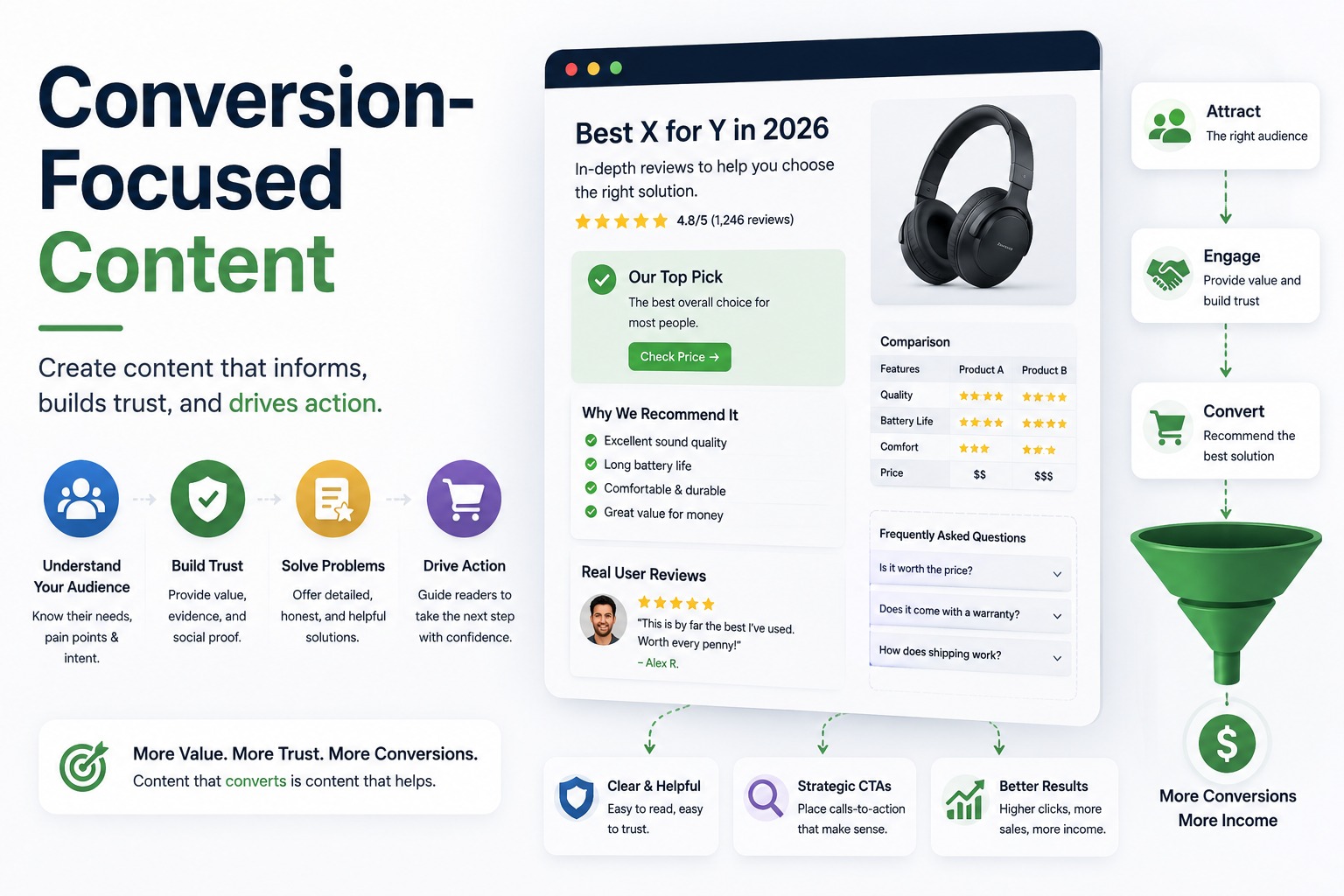
Ranking on page one means nothing if nobody clicks your affiliate links. Here’s how I optimize for actual sales, not just traffic:

Smart CTA placement — I place calls-to-action right after answering a key question, when the reader’s confidence is highest. Not everywhere. Just at the right moment.

Comparison tables — Scannable, visual, and conversion gold. They help readers decide faster and keep them on the page longer.

Natural link placement — 2 to 3 affiliate links per article, placed where they make sense. Overloading a post with links makes it look spammy and hurts both trust and rankings.

Handle objections — Before any CTA, I address the main reason someone might hesitate. “Yes, it’s expensive — here’s why it’s still worth it.” Removing doubt converts

Number - 6:

Competitor Gap Analysis
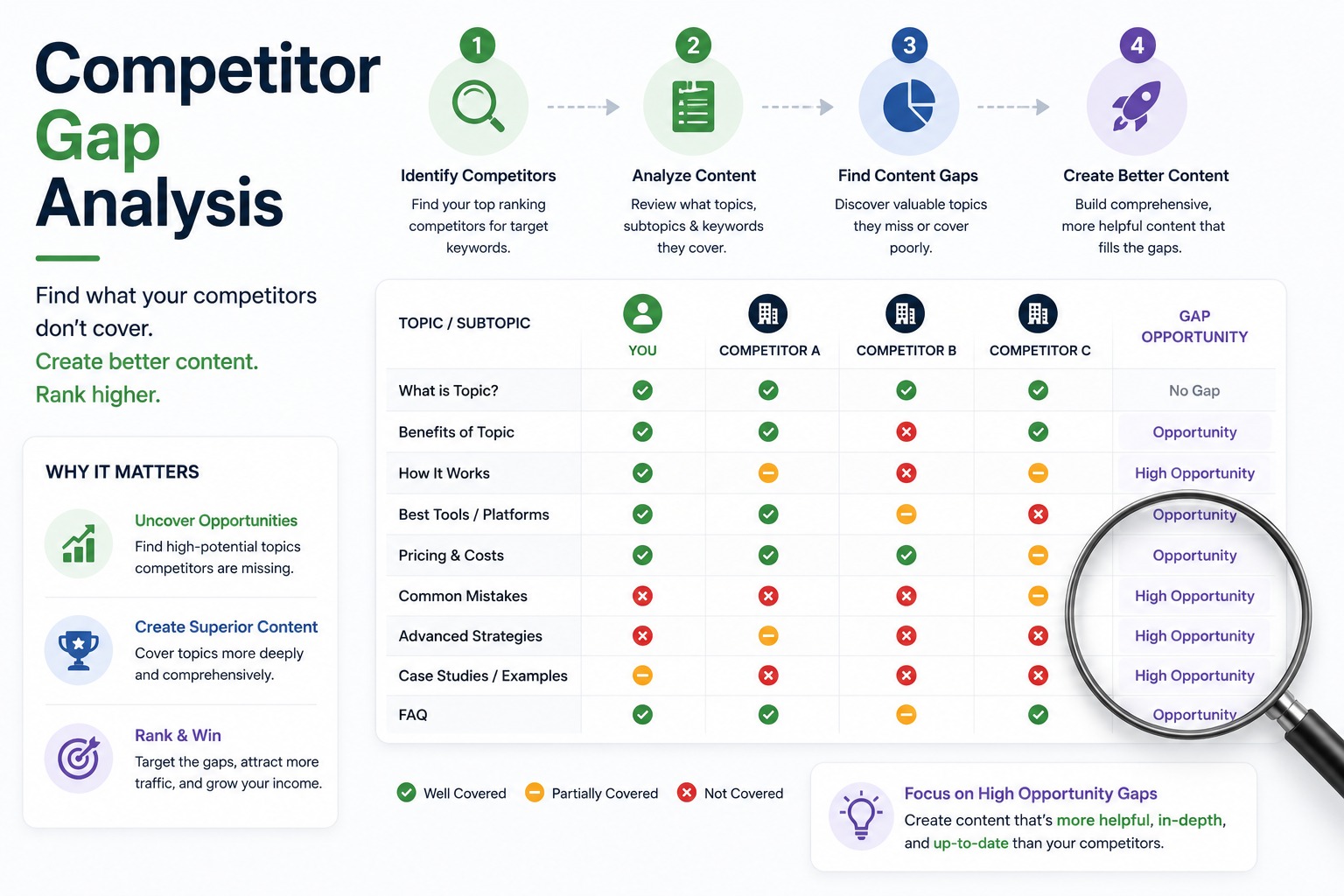
Before writing anything, I study the top 5 ranking pages for my target keyword. I ask three questions:

  1. What topics or questions are they missing?
  2. Is any of their information outdated?
  3. Where are their explanations too shallow?

Then I write the article that fills those gaps. If you’re more helpful than what’s currently on page one, you have a legitimate shot at outranking it — even without a massive domain authority.

Number - 7:

On-Page SEO Essentials
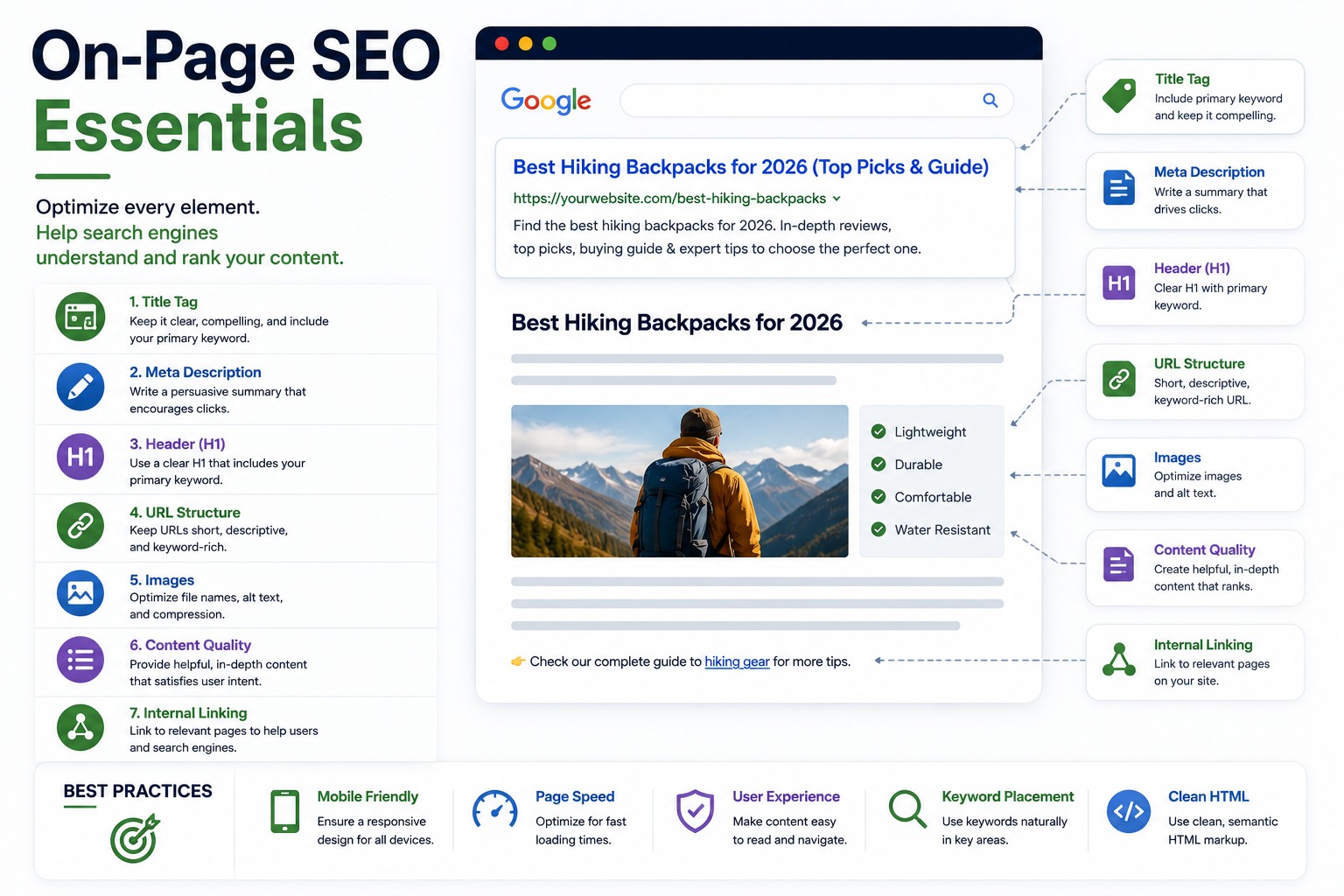
Every article I publish goes through this checklist:

  1. Title — Primary keyword included naturally, with a benefit-driven hook
  2. Meta description — Written to earn clicks, not just stuff keywords
  3. Heading structure — H1 for the title, H2 for main sections, H3 for sub-points
  4. URL — Short, clean, keyword-focused
  5. Image alt text — Descriptive and natural, not stuffed
  6. Schema markup — For reviews and comparisons, this can earn star ratings in search results and dramatically boost click-through rates

None of this is complicated. But skipping half of it is exactly what most affiliate bloggers do.

Number - 8:

User Experience Matters More Than You Think
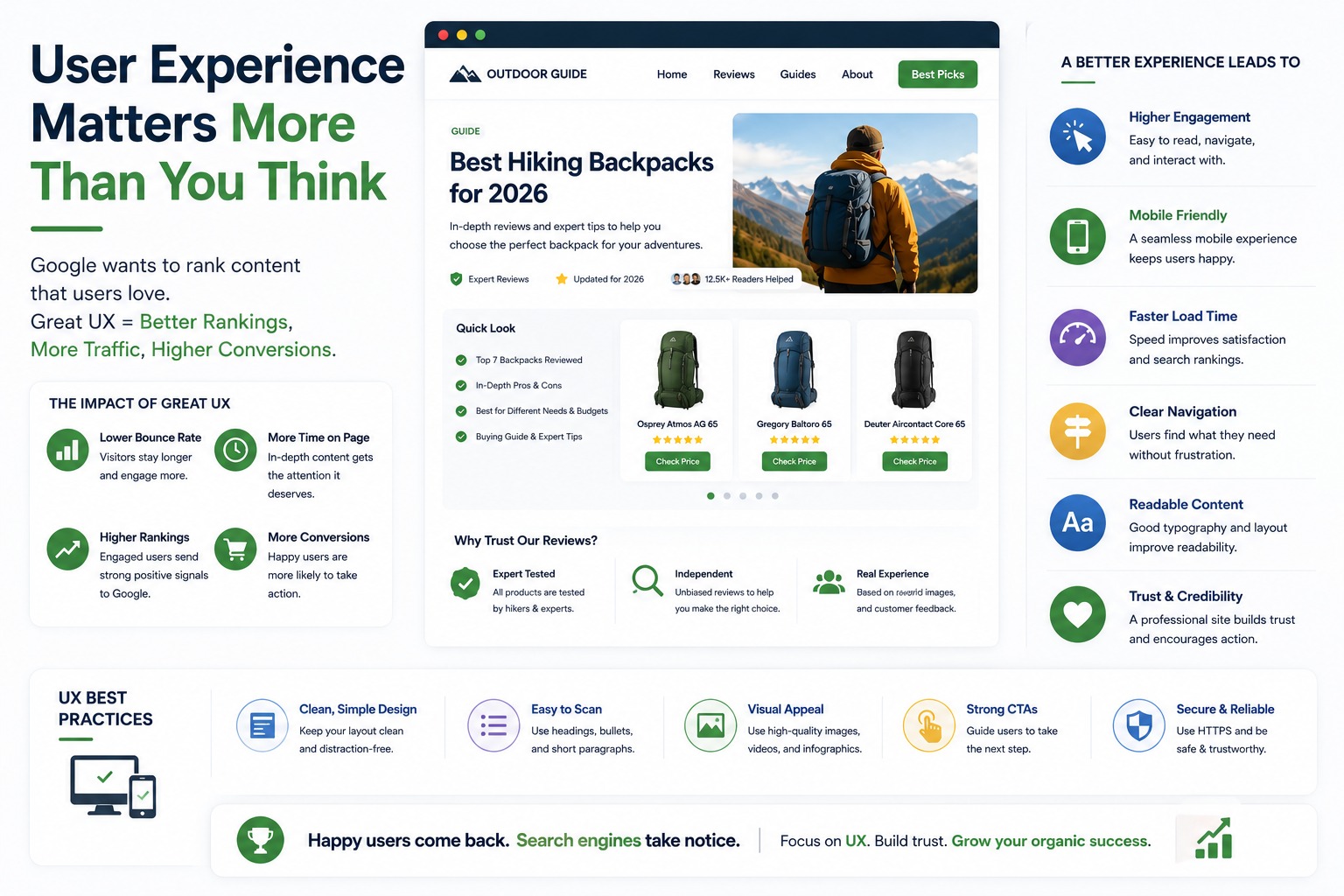
Fast-loading pages, mobile-friendly design, and clean formatting directly affect your rankings. Google uses mobile-first indexing — if your site looks broken on a phone, it ranks lower everywhere.

Beyond technical performance, readability matters:

  1. Keep paragraphs to 2-3 sentences maximum
  2. Use bullet points for lists and comparisons
  3. Write at a conversational reading level — clear beats clever every time

A simple test: read your article out loud. If any sentence trips you up, rewrite it.

Number - 9:

Update Old Content Regularly
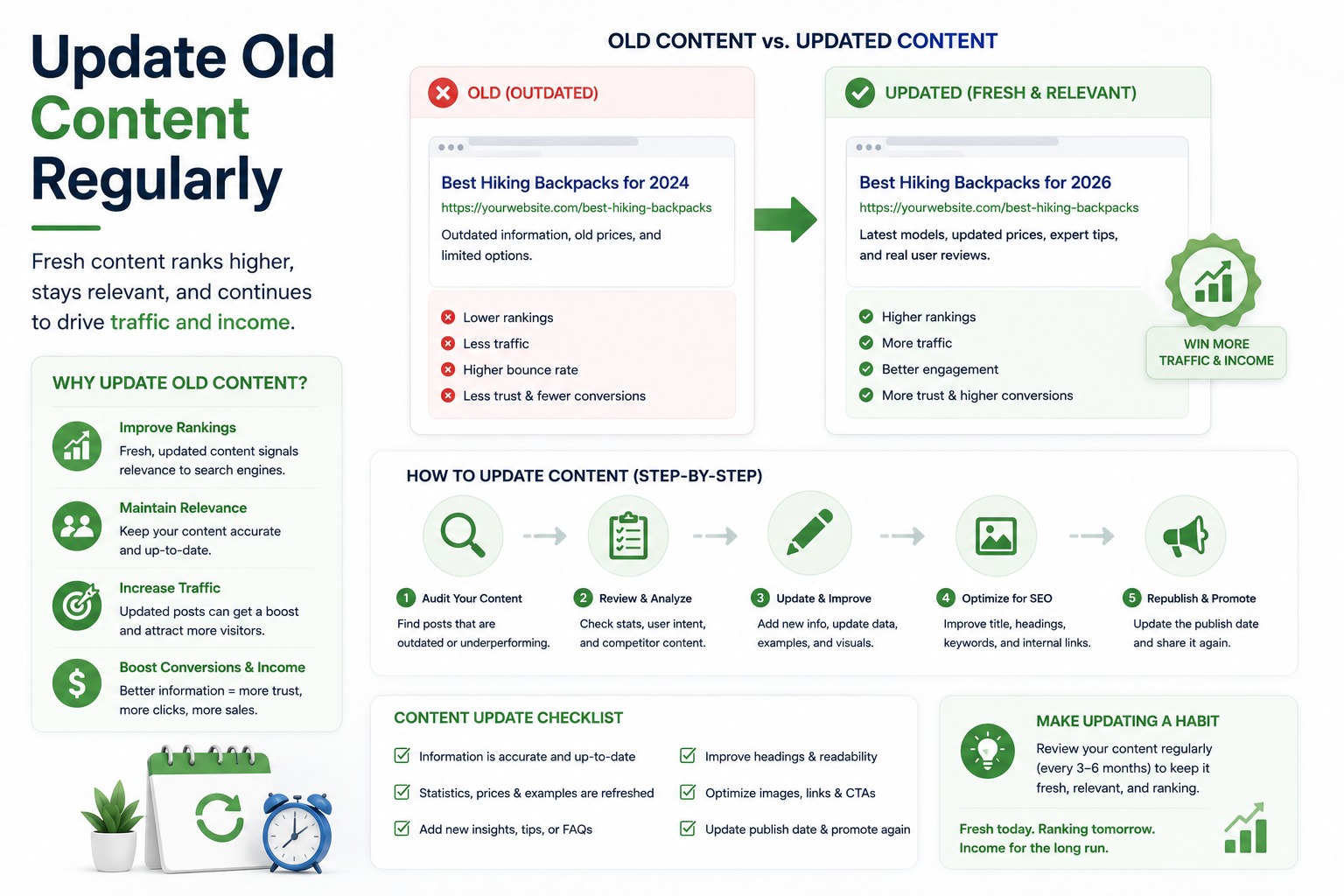
Most affiliates publish a post and never touch it again. That’s one of the biggest missed opportunities in affiliate SEO.

Every few months I go back through my top articles and:

  1. Update pricing, features, or product details that have changed
  2. Add new questions I’m seeing people search for
  3. Improve sections that aren’t ranking as well as I’d like

Some of my biggest ranking jumps came from improving existing articles — not from writing new ones. Fresh, accurate content signals to Google that your site is actively maintained, and that matters.

The Truth About Affiliate SEO in 2026
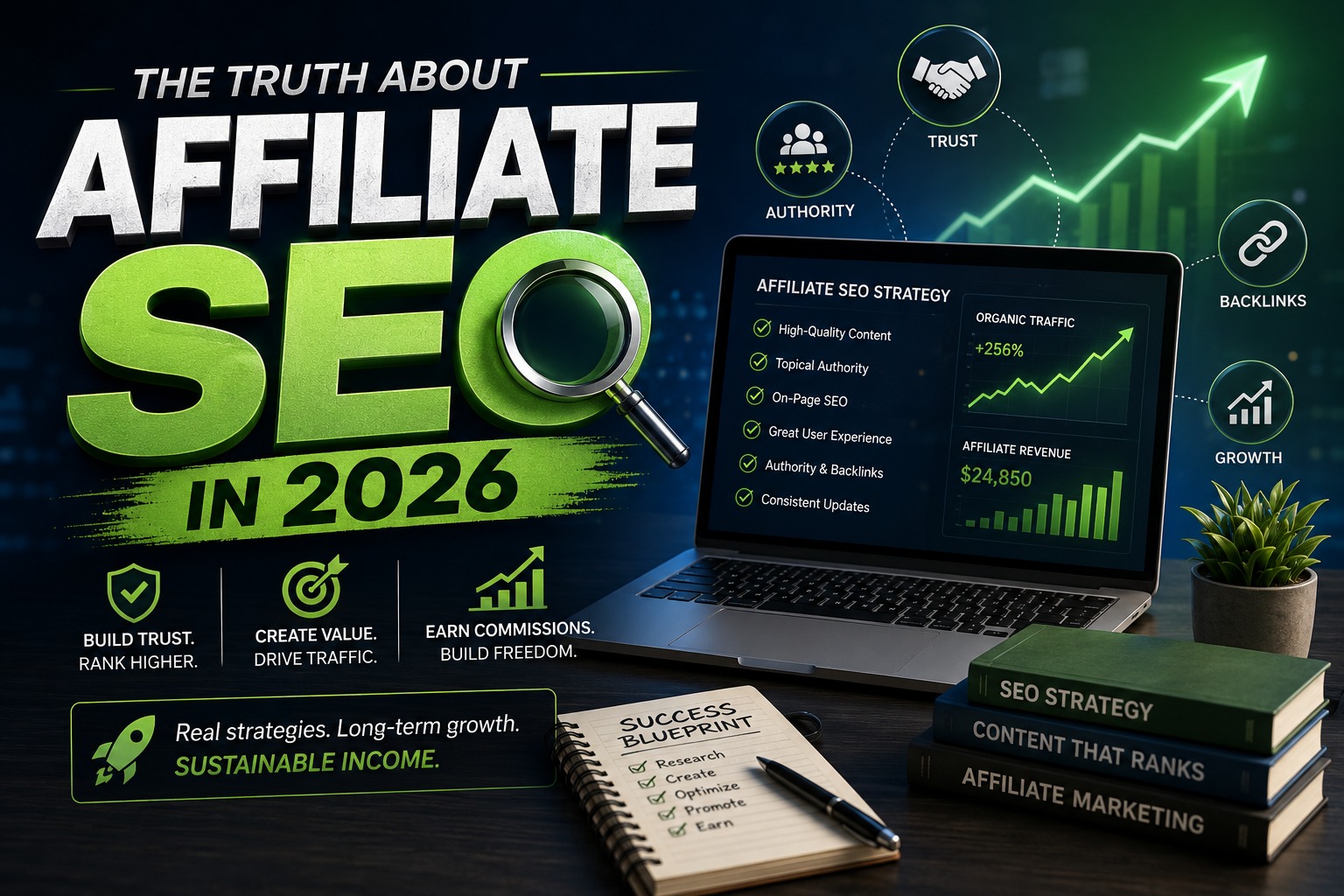
After everything I’ve tested and learned, here’s what I keep coming back to:

Affiliate SEO is not a quick-money strategy. It’s a trust-building business.

The content you optimize today can generate passive traffic and commissions for years — but only if it’s built on genuine value. Those who publish thin, low-effort content stay invisible. Those who consistently help readers make better decisions get rewarded by Google with traffic that compounds over time.

“Helping users better than your competitors do” — that’s the entire strategy, simplified.

If you get that part right, rankings follow. Traffic follows. And income follows the traffic.

If you found this helpful, feel free to share it or drop a comment. And if you’re just starting your affiliate SEO journey, just remember — it takes time, but every great piece of content you publish is an asset that works for you 24/7..
ChatGPT Image May 20, 2026, 10_17_37 PM

I Ran 5 SEO Experiments in 2026 — Here’s What Actually Worked

I Ran 5 SEO Experiments in 2026 — Here's What Actually Worked

I Was Tired of Generic SEO Advice

In early 2026, I stopped reading most SEO advice.

Not because it was wrong — but because everyone sounded certain while my own data showed chaos.

Pages with terrible UX were ranking. “Perfectly optimized” pages were dying. AI Overviews were destroying click-through rates overnight.

So instead of following best practices blindly, I started running experiments on my own sites — a niche blog, a local directory, and an affiliate site.

Some results surprised me. A few embarrassed me. Here’s the honest breakdown.

Experiment 1:

AI Overview CTR — Can You Still Win Clicks?

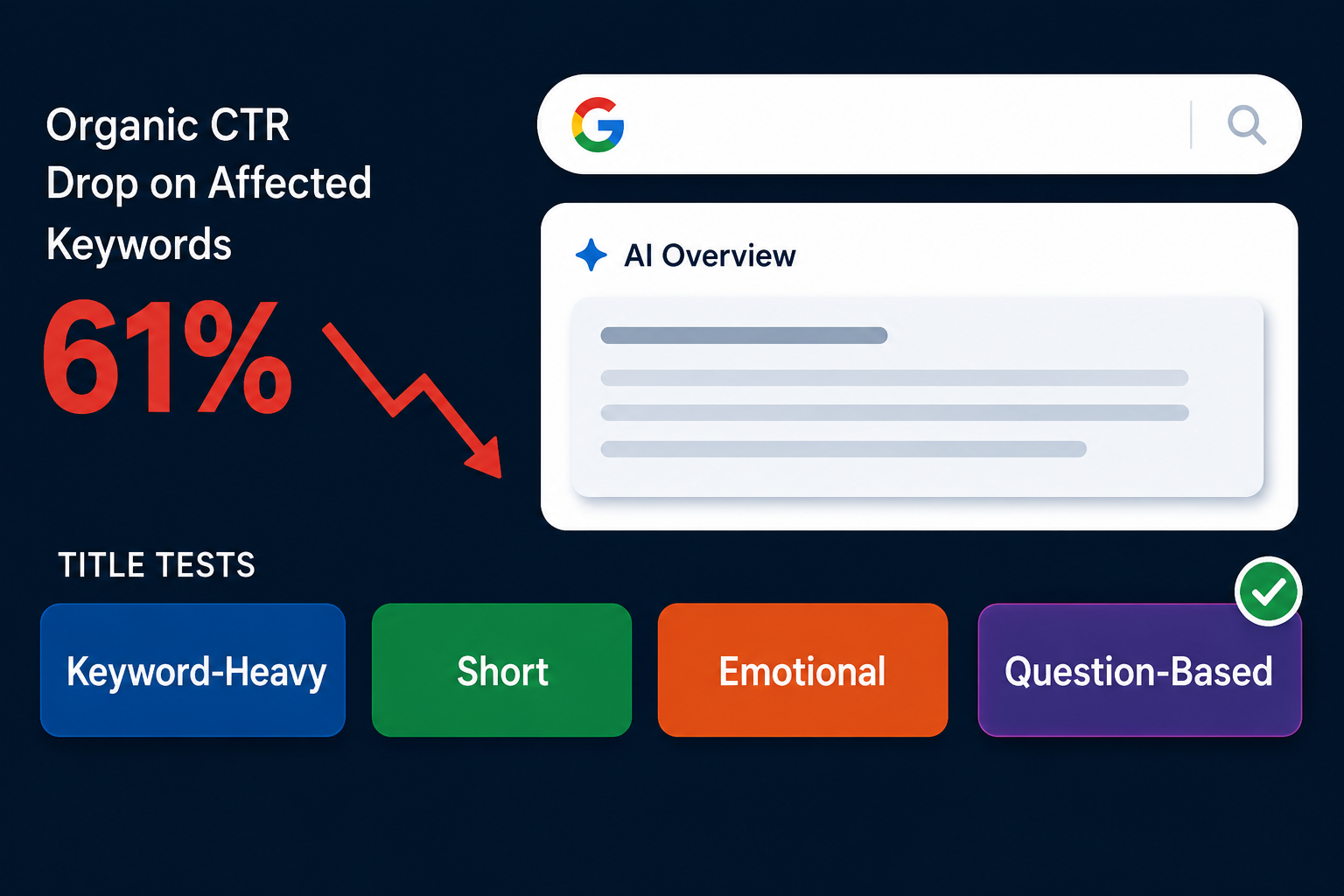
AI Overviews now appear in 13% of Google searches. Studies tracking over 5 million queries found organic CTR dropped 61% on affected keywords. My own impressions were climbing. My clicks were falling.

What I tested: Four title structures — keyword-heavy, short, emotional, and question-based. I also rewrote the first 100 words of 30 pages to sound more conversational.

What worked: Question-based titles performed best on informational pages. Conversational intros reduced bounce rates and improved time-on-page consistently.

What didn’t: Adding summary boxes to “appear in AI Overviews” had zero effect. Google decides who gets cited — no formatting trick changes that.

Takeaway: Stop trying to appear in AI Overviews. Focus on making your page worth clicking after one.


Experiment 2:

Programmatic SEO — The Dream That Nearly Went Wrong

I built 800 template pages for my local directory site. City + service combinations, clean structure, dynamic data.

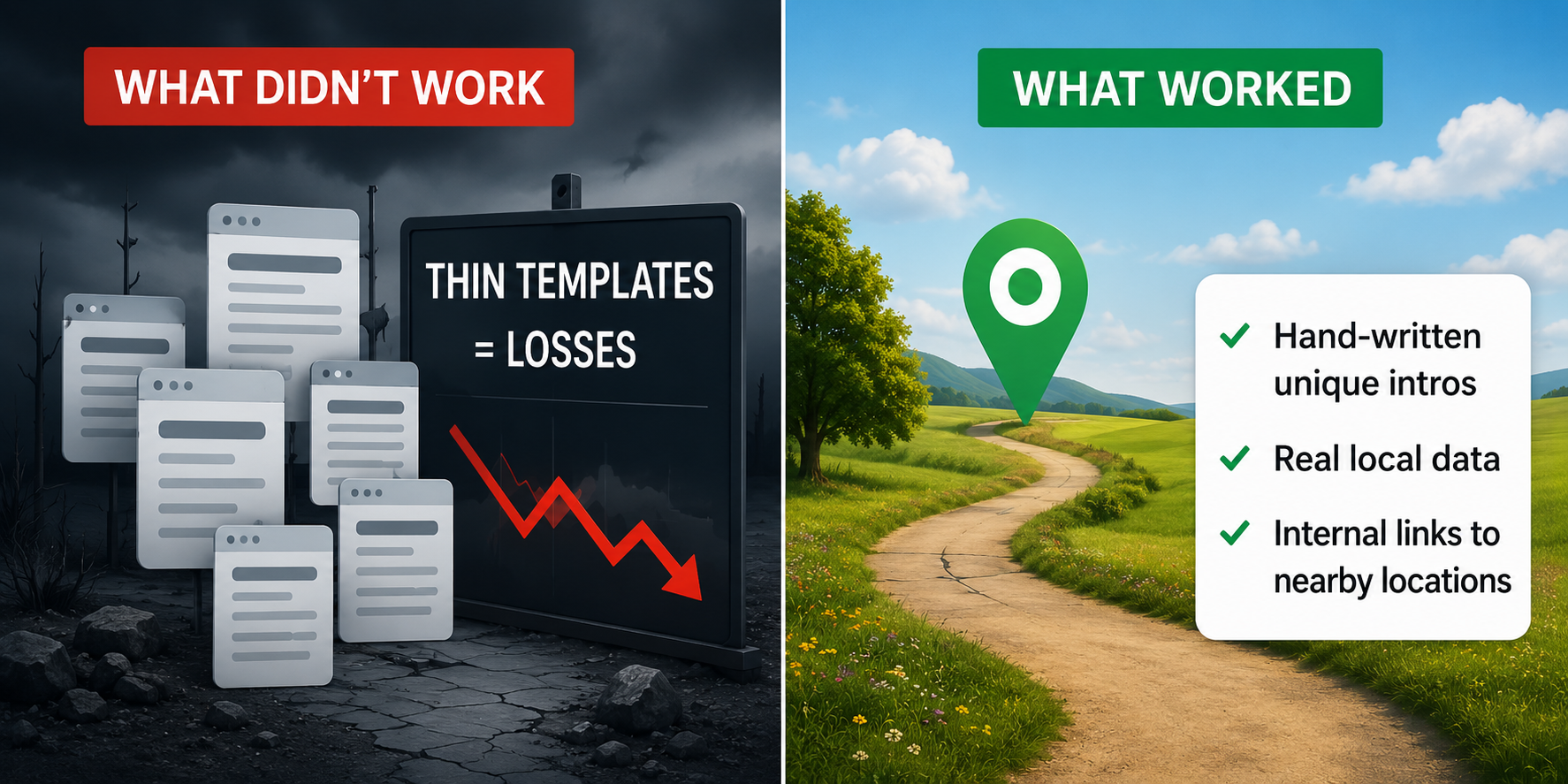
Google crawled fewer than 200 in the first three weeks. Then the March 2026 core update hit — explicitly targeting “scaled content abuse.” Pages with only the city name swapped in took heavy losses. Pages with real local data survived.

What finally worked:

  1. Hand-written unique intros for each location
  2. Real local data, not just name-swapped templates
  3. Internal links to nearby locations and related pages

Takeaway: The “volume at all costs” era of programmatic SEO is dead. Every page needs to answer a question no other page on your site already answers.


Experiment 3:

Internal Linking — The Most Underrated Fix I Found

My affiliate site had 60–80 links per page — sidebars, footers, related post plugins everywhere.

I ran a two-week cleanup:

  • Removed sidebar and footer link clusters
  • Added contextual body links in the top third of each page
  • Rebuilt everything around topic clusters — pillar pages linking to cluster articles, cluster articles linking back

Result: Several pages stuck between positions 8–15 moved to page one within three weeks. Orphan pages I connected to relevant clusters started showing impressions within days.

Takeaway: Fewer, better, more intentional links beat scattering links everywhere. Body links are editorial signals. Footer links are just navigation.


Experiment 4:

EEAT — Does an Author Box Actually Help?

I added author bios, real photos, LinkedIn links, and experience notes to 20 articles. Left 20 similar articles unchanged as a control.

Ranking impact was hard to isolate. But engagement was clear — lower bounce rates and longer sessions on articles with author signals.

Where it mattered most: YMYL-adjacent content (health, finance, purchase decisions). Google’s systems are more sensitive to author credibility on these topics.

What didn’t work: Inflated or vague bios. Google updated its Quality Rater Guidelines in January 2025 specifically to flag fake author profiles.

Takeaway: A genuine bio with real credentials and a LinkedIn link outperforms any generic “SEO expert” label every time.

Experiment 5:

Content Velocity — New Posts vs. Updating Old Ones

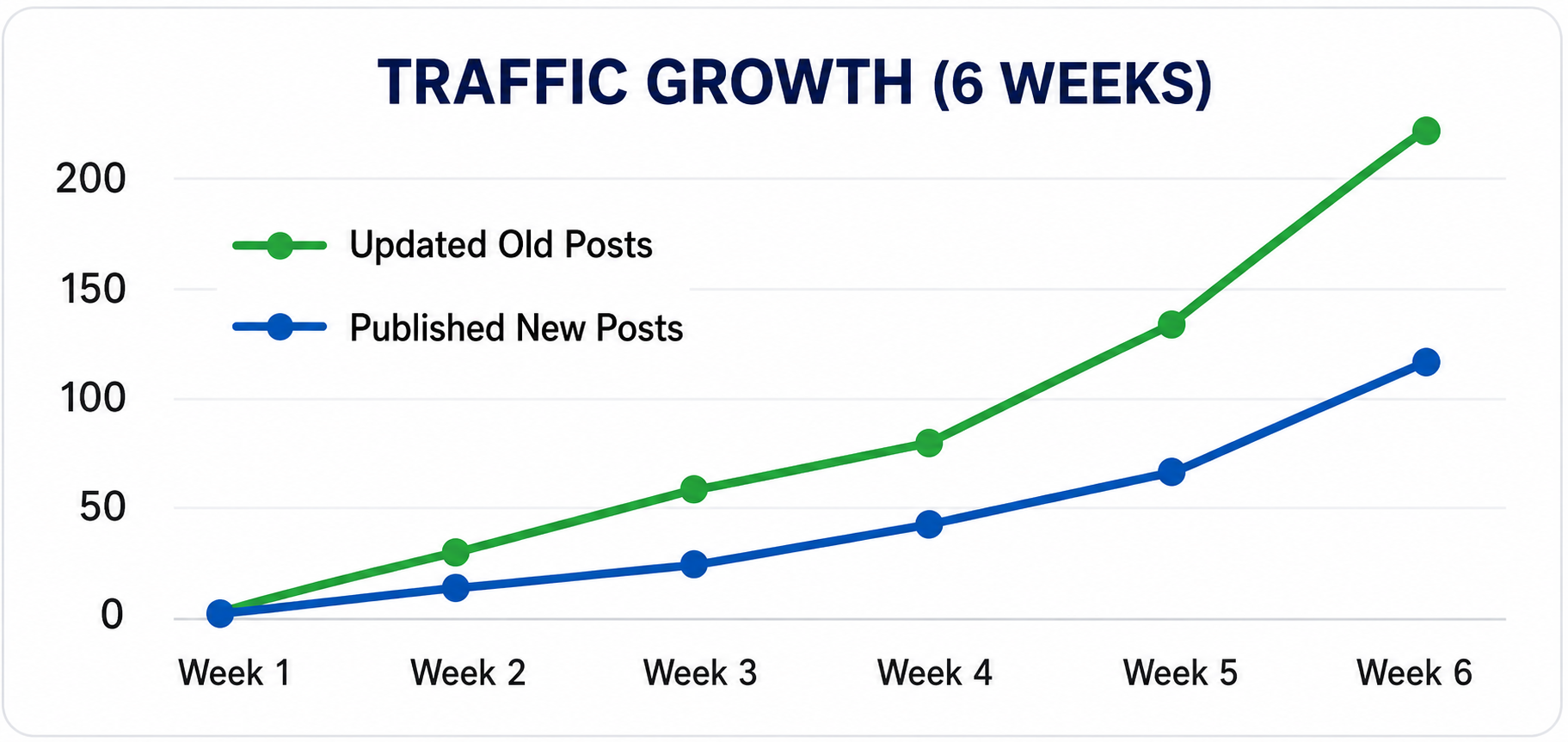
I paused new publishing for six weeks and updated 40 existing posts sitting on pages 2–3. Not just refreshing dates — I rewrote intros, added new data, improved internal links, and trimmed dead weight.

Result: Updating old articles drove more traffic growth in six weeks than three months of fresh publishing had done. Two posts jumped from positions 11–15 straight to page one.

Takeaway: If you have content close to page one, updating it will almost always outperform writing something new for the same keyword.


What Failed — And I Mean Badly

  • AI-written content at scale: Weak engagement, poor rankings, removed most of it after two months.
  • Over-optimized headings: Every H2 became a keyword phrase. Pages read like robot documentation. Bounce rates went up.
  • Excessive schema markup: Added every schema type I could. Google displayed rich results based on its own judgment regardless.
  • Topical map obsession: Comprehensive coverage with thin execution. It diluted authority, not built it.
  • Too many internal links: 20–30 contextual links per article felt like over-optimization. Rankings stabilized after the cleanup.


What 2026 Has Taught Me About Google

  • Uncertainty is the baseline. What you change and what Google does in response is rarely linear.
  • Human signals now outweigh optimization signals. Time on page, low bounce, scroll depth — these matter more than on-page tweaks.
  • AI search changed the rules without asking. Zero-click SEO is not a future problem. It’s the current reality.
  • Retrieval matters as much as ranking. Being cited by AI tools like ChatGPT and Perplexity is becoming as valuable as a page-one ranking. Trust, clarity, and original data drive both.


The SEOs who will survive 2026 are not the ones with the best frameworks. They are the ones willing to test, fail honestly, and adapt without ego.

Experiments were run across three personal websites. Results vary by niche, domain authority, and competitive landscape.


ChatGPT Image May 17, 2026, 12_46_37 PM

Shopify Technical SEO: The Complete Guide(2026)

Shopify Technical SEO: The Complete Guide to Ranking Higher on Google

Most Shopify store owners obsess over product descriptions and ad spend — while their sites quietly bleed rankings due to fixable technical problems. Shopify technical SEO is the foundation everything else sits on, and without it, even the best content strategy will underperform.

This guide covers every critical technical SEO element for Shopify stores: site speed, crawlability, Core Web Vitals, mobile optimisation, and the common fixes that actually move the needle. If you want your store to rank on page one, this is where you start.


What Is Shopify Technical SEO (and Why It Matters More Than You Think)

Shopify technical SEO is the process of optimising your store’s underlying infrastructure so search engines can efficiently crawl, index, and rank your pages — while simultaneously delivering a fast, frictionless experience to real users.

It’s distinct from on-page SEO (keywords, content) and off-page SEO (backlinks). Technical SEO is about what happens under the hood: server response times, URL structures, canonical tags, sitemap health, and structured data. Get these wrong, and Google either can’t read your store properly or penalises it for poor user experience signals.

Here’s why this matters at scale: according to Google’s own data, 53% of mobile users abandon a site that takes longer than three seconds to load. For a Shopify store running dozens of apps, uncompressed images, and render-blocking scripts, that threshold is dangerously easy to breach.

The mistake most store owners make is treating technical SEO as a one-time setup task. In practice, it’s an ongoing discipline — because every new app you install, every product you add, and every theme update you push can introduce new issues.

Site Speed: The Shopify Ranking Factor You Can't Afford to Ignore

Site speed is not a secondary concern — it is a direct Google ranking signal, confirmed as part of the Page Experience update. Slow Shopify stores lose rankings and conversions simultaneously.

A one-second delay in page load time reduces conversions by 7%, according to research from Akamai. For a store doing £10,000 per month, that’s £700 in lost revenue — from a single second of lag.

How to Improve Shopify Store Speed

Focus on these high-impact actions first:

  1. Compress and convert images — Use WebP format instead of JPEG or PNG. Shopify natively supports WebP for most themes, but you need to verify your image pipeline is actually serving it.
  2. Audit your installed apps — Every Shopify app injects code into your storefront. Run a speed test in GTmetrix before and after installing any app. Many stores carry 15–20 apps when five would do the same job.
  3. Minimise render-blocking JavaScript — Defer non-critical scripts so the browser loads visible content first. This directly improves your Largest Contentful Paint (LCP) score.
  4. Leverage Shopify’s CDN — Shopify hosts all store assets through Fastly’s content delivery network by default. Make sure you’re routing all media through this CDN rather than external hosts.
  5. Reduce theme bloat — Many popular Shopify themes ship with features you’ll never use. A developer can strip unused CSS and JavaScript, often cutting page weight by 30–40%.

What actually works here is prioritising ruthlessly. Don’t try to fix everything at once — run Google PageSpeed Insights, identify your three worst-scoring issues, fix those first, then re-test.


Core Web Vitals: Shopify's Most Misunderstood Technical SEO Challenge

Core Web Vitals are Google’s three primary user experience metrics, and they carry direct ranking weight since the 2021 Page Experience update.

The Three Metrics That Matter

  1. Largest Contentful Paint (LCP) — Measures how fast your main content loads. Target: under 2.5 seconds. For Shopify stores, the hero image or product image is typically the LCP element. Compressing and preloading this asset is the single fastest win.
  2. Cumulative Layout Shift (CLS) — Measures how much the page visually jumps around as it loads. Target: under 0.1. Common culprits on Shopify are lazy-loaded images without defined dimensions and banners injected by third-party apps.
  3. Interaction to Next Paint (INP) — Google’s newest metric, replacing First Input Delay. It measures responsiveness across all interactions. Target: under 200ms. Heavy JavaScript from review apps and chat widgets is a frequent offender.

In practice, most Shopify stores struggle most with LCP and CLS. Start there. Use Google Search Console’s Core Web Vitals report to see which URLs are failing — it segments by mobile and desktop separately, and mobile scores are typically worse.


Crawlability and Indexing: Technical SEO Fundamentals for Shopify Stores

Search engines can only rank pages they can find and understand. Crawlability and indexing issues are silent killers — your pages exist, but Google has effectively ignored them.

Sitemap and Robots.txt

Shopify automatically generates an XML sitemap at yourstore.com/sitemap.xml. This is useful, but not perfect. By default, it includes every page Shopify creates — including pages you may not want indexed, like internal search results or duplicate collection/tag pages.

Here’s what to do:

  1. Submit your sitemap to Google Search Console and monitor it regularly for errors.
  2. Check your robots.txt file at yourstore.com/robots.txt. Shopify’s default blocks certain paths, but you may need to customise this — particularly if you’re running international stores or staging environments.
  3. Monitor crawl coverage in Google Search Console monthly. The Coverage report tells you which pages are indexed, which are excluded, and why.

Canonical Tags and Duplicate Content

Shopify has a well-documented duplicate content issue. When a product appears in multiple collections, Shopify generates multiple URLs for it:

  1. /products/blue-trainers
  2. /collections/mens/products/blue-trainers
  3. /collections/sale/products/blue-trainers

Shopify adds canonical tags to point all variants to the primary /products/ URL — but this only works if your theme is properly configured. Audit your canonical tags using Screaming Frog or Ahrefs Site Audit to confirm they’re pointing where you expect.

That said, canonical tags are a signal, not a directive. If Google sees too much duplicated content across your collection URLs, it may still crawl budget on pages you don’t want prioritised.


URL Structure and Site Architecture for Shopify SEO

A clean URL structure helps both users and search engines understand how your store is organised. Shopify imposes some structural constraints — all products live under /products/, all collections under /collections/ — but within those constraints, you have control over slugs.

Best practices for Shopify URL optimisation:

  1. Keep URLs short and descriptive — /products/mens-leather-oxford-shoes beats /products/product-1234-variant-b
  2. Use hyphens, not underscores — Google treats hyphens as word separators; underscores are read as one string
  3. Avoid unnecessary parameters — Filter and sort parameters (e.g., ?sort_by=price) can create crawl waste if not handled correctly
  4. Don’t change URLs unnecessarily — If you must change a URL, implement a 301 redirect immediately. Shopify makes this straightforward via the admin panel under Navigation → URL Redirects

Site architecture matters too. Your most important category pages should be reachable within two clicks from the homepage. The deeper a page is buried, the less crawl priority Google assigns it.

Shopify Technical Fixes: Resolving the Issues That Kill Rankings

Regular technical audits catch problems before they compound. Here are the most common Shopify-specific technical SEO issues — and how to fix them.

Broken Links and Redirect Chains

Broken internal links (404 errors) waste crawl budget and damage user experience. After any product or page deletion, set up a 301 redirect immediately. Use Screaming Frog to crawl your site monthly and export all 4xx errors.

Redirect chains — where URL A redirects to URL B, which redirects to URL C — slow down both users and crawlers. Clean these up by pointing directly to the final destination URL.

Missing or Duplicate Meta Tags

Every product and collection page needs a unique, keyword-relevant title tag and meta description. Shopify themes pull these from your product titles by default, which often creates duplicate or keyword-poor meta tags across similar products.

Audit your meta tags with any SEO crawler and prioritise fixing:

  1. Pages with duplicate title tags
  2. Pages with title tags over 60 characters (truncated in SERPs)
  3. Collection pages with no unique meta description


Mobile Optimisation: Non-Negotiable for Shopify Technical SEO

Google uses mobile-first indexing — meaning it crawls and ranks your site based on the mobile version. If your mobile experience is broken, your rankings are broken.

All current Shopify themes are responsive by default, which solves the basic problem. But responsive doesn’t automatically mean optimised. Test your store on real devices, not just browser emulators. Pay specific attention to:

  1. Tap target sizes (buttons and links should be at least 44×44px)
  2. Font readability without zooming
  3. How your navigation collapses on small screens
  4. Load speed on a throttled 4G connection (simulated in Chrome DevTools)


Key Takeaways

  1. Shopify technical SEO is ongoing, not a one-time fix — new apps, products, and theme changes introduce new issues regularly
  2. Site speed and Core Web Vitals carry direct ranking weight — target LCP under 2.5s, CLS under 0.1, and INP under 200ms
  3. Duplicate content from collection URLs is a Shopify-specific problem — audit your canonical tags to ensure Google indexes the right version of each product page
  4. Crawlability depends on a healthy sitemap, a clean robots.txt, and regular Search Console monitoring — don’t set and forget
  5. Mobile-first indexing means your mobile experience determines your rankings — test on real devices, not just desktop emulators


Frequently Asked Questions

How is Shopify technical SEO different from regular SEO?

Shopify technical SEO addresses platform-specific issues that general SEO advice doesn't cover — like Shopify's automatic duplicate URLs for products in multiple collections, its default robots.txt configuration, and the performance impact of third-party apps. While the core principles apply everywhere, you need to understand Shopify's architecture to fix issues correctly rather than applying generic solutions that don't fit.

How do I check if my Shopify store has technical SEO problems?

Start with three free tools: Google Search Console (for indexing issues, Core Web Vitals data, and crawl errors), Google PageSpeed Insights (for speed and CWV scores on specific URLs), and Screaming Frog's free tier (for crawling up to 500 URLs to find broken links, duplicate meta tags, and missing alt text). Run all three and prioritise the issues flagging as errors before addressing warnings.

Does Shopify handle technical SEO automatically?

Shopify handles some technical SEO out of the box — it generates sitemaps, adds canonical tags, provides SSL, and serves assets through a CDN. But it doesn't optimise itself. You still need to manage image compression, app bloat, URL structures, meta tags, redirect maintenance, and Core Web Vitals scores. Shopify gives you a solid foundation; technical SEO discipline is what builds on top of it.